✓ Fast Australia-wide Delivery
✓ 30 Day Love Your Ride Guarantee
✓ Premium Quality Kids Bikes
✓ Safe & Secure Checkout
  • 🇦🇺 AUD ($)
  • 🇳🇿 NZD ($)

Find Their Perfect Helmet Fit

Kids Bike Helmet Size Chart & Fit Guide

The best helmet is the one that fits your child properly every time they ride. Measure their head circumference in centimetres, match that number to the helmet's size range, then use our simple fit check to confirm it sits snug, level and secure.

Head Circumference First Fit Check Second Age As A Guide
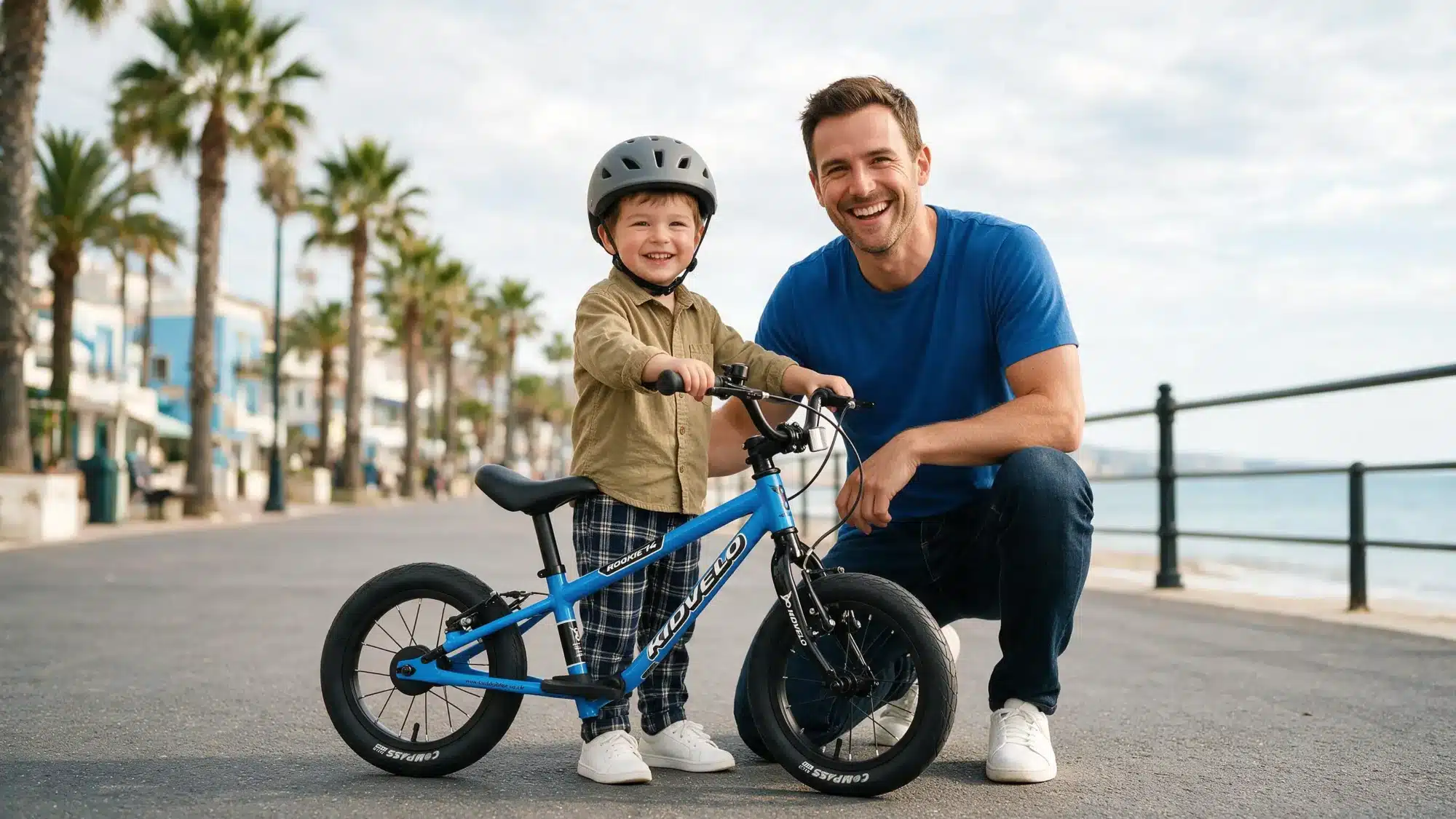
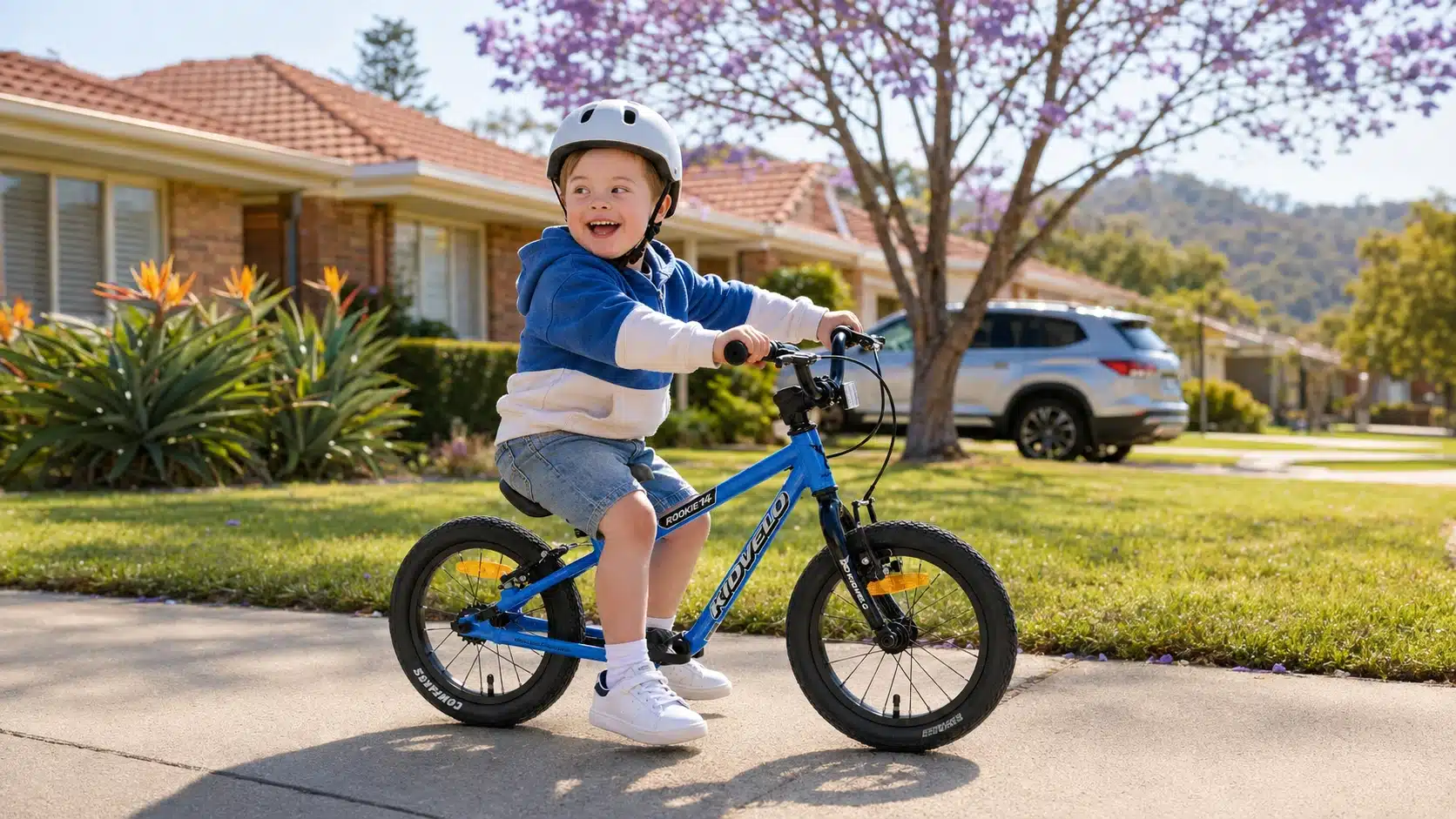
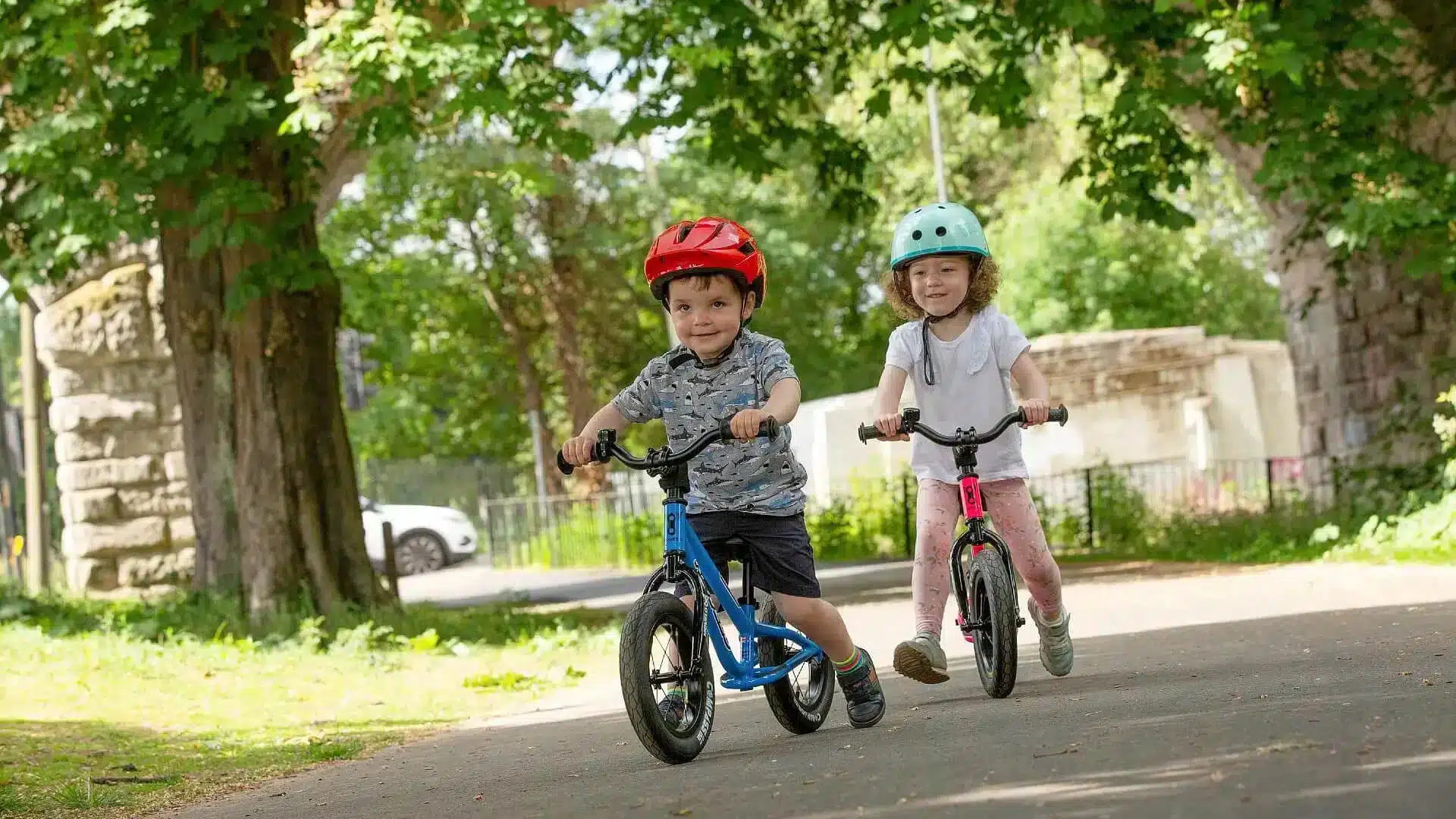
Child Correctly Wearing A Bicycle Helmet While Riding A Kidvelo Bike
1

Measure Before You Order

One simple measurement removes most sizing guesswork.

cm

Helmet-Specific Size Guides

Use the actual centimetre range, not just Toddler, Small or Youth.

?

Expert Sizing Support

Send us their measurement if you're still unsure.

Safety Starts With Fit

Level, snug and stable before every ride.

Three Steps To A Better Fit

Measure. Match. Check.

The size chart gets you to the right helmet. The on-head fit check confirms it.

Measure Their Head
ADD 1:1 IMAGE
MEASURE THEIR HEAD
01

Measure Their Head

Measure the circumference around the widest part of your child’s head.

Match The Helmet
ADD 1:1 IMAGE
MATCH THE HELMET
02

Match The Helmet

Compare that number to the actual centimetre range for the helmet model.

Check The Fit
03

Check The Fit

Once it is on, check position, stability and straps before they ride.

Measure Match Check The Fit
MEASURE AROUND THE WIDEST PART Approx. 1–2 cm above eyebrows

Takes Less Than A Minute

How To Measure Your Child For A Bike Helmet

Use a soft measuring tape, or non-stretch string and a ruler.

1

Start Above The Eyebrows

Place the tape roughly 1–2 cm above the eyebrows.

2

Wrap Around The Widest Part

Pass it around the widest part of the back of the head and keep it approximately level.

3

Record The Circumference

Bring the tape back to the starting point without pulling excessively tight.

4

Repeat It

Measure two or three times and use the largest consistent measurement.

Their head circumference: _____ cm

Head Size Matters More Than Age

Find The Right Kidvelo Helmet Size

Always match the child's head circumference to the centimetre range for the specific helmet model.

HelmetSizeHead CircumferenceBest Starting Point
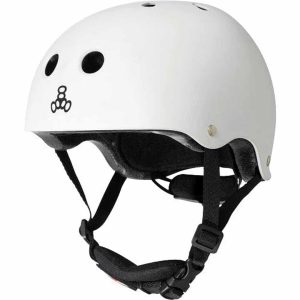
Triple 8 Lil 8One Size46–52 cmYoung / smaller riders
Triple 8 WipeoutSmall47–49 cmSmaller children
Triple 8 WipeoutMedium49–52 cmGrowing children
Triple 8 WipeoutLarge52–56 cmOlder children
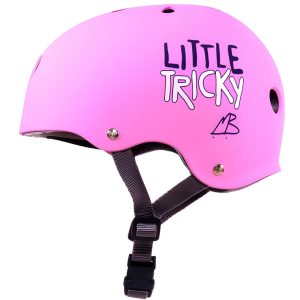
Triple 8 Little TrickyOne Size50–56 cmKids / older kids
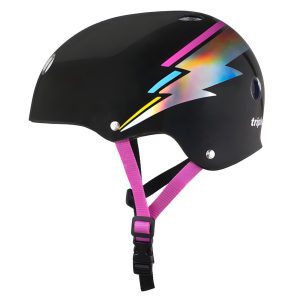
Triple 8 THE CertifiedXS/S51–54 cmOlder kids / smaller heads
Triple 8 THE CertifiedS/M53–57 cmOlder kids / teens
Triple 8 THE CertifiedL/XL57–60 cmTeens / larger heads

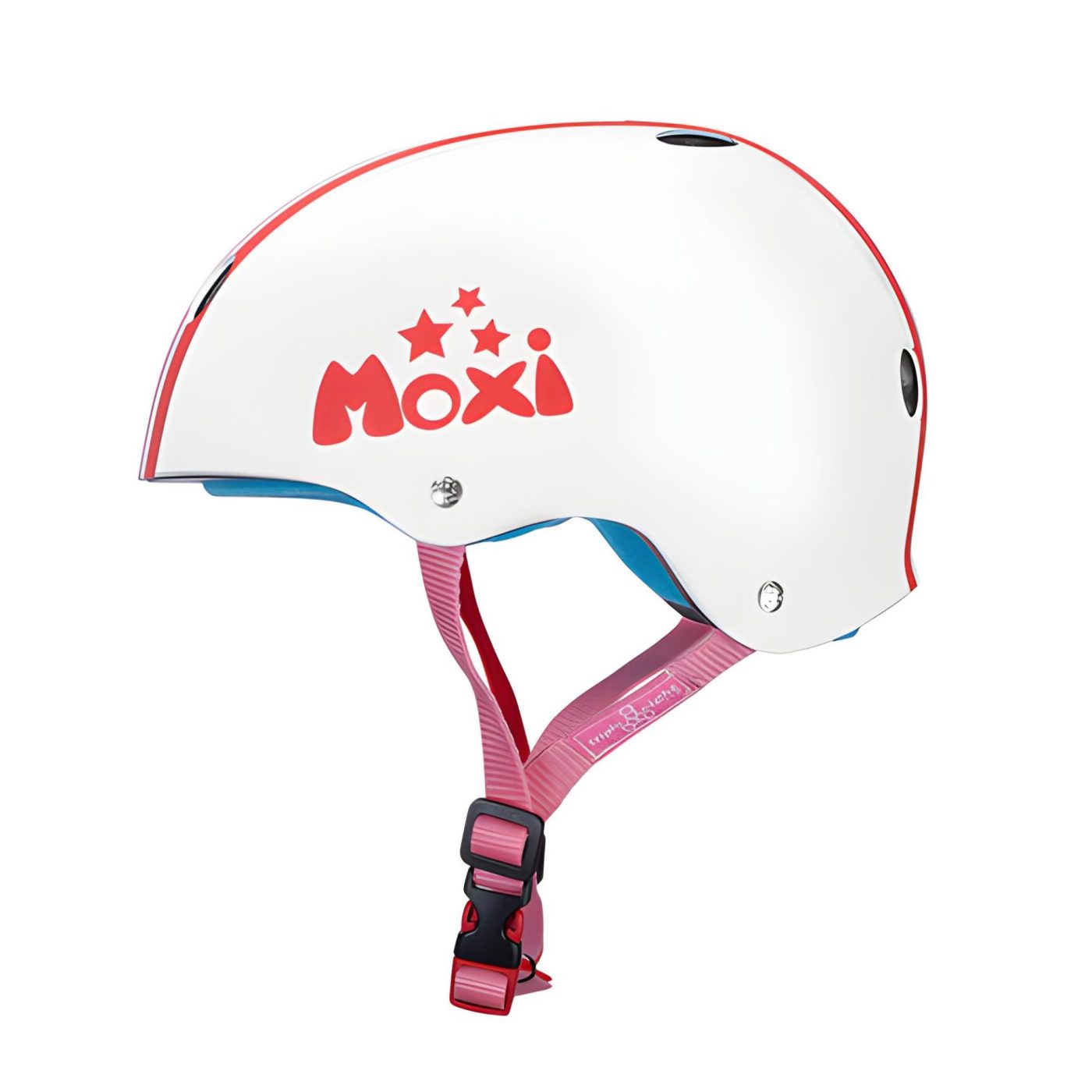
Triple 8 Lil 8

SizeOne Size
Head Circumference46–52 cm

Young / smaller riders

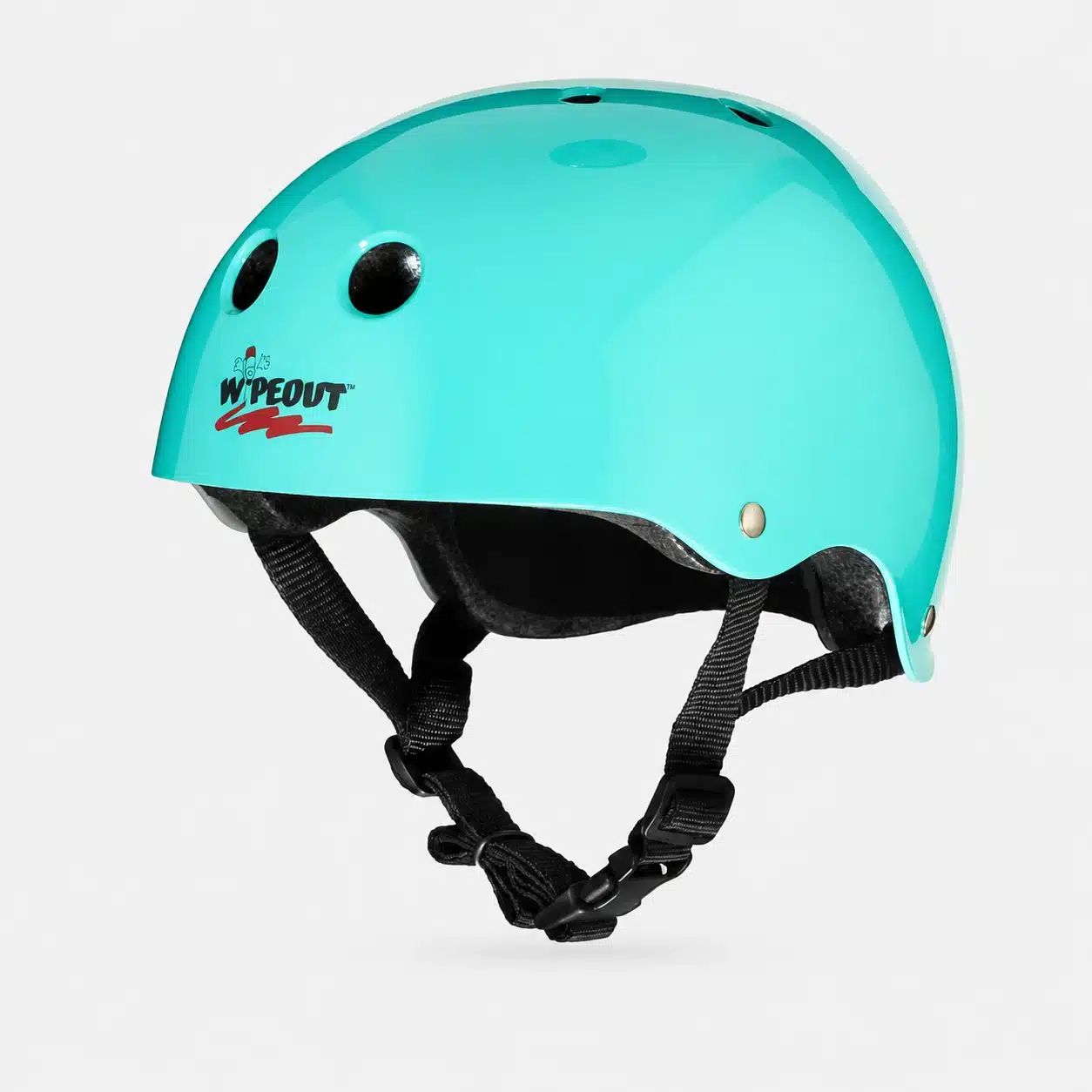
Triple 8 Wipeout

SizeSmall
Head Circumference47–49 cm

Smaller children

Triple 8 Wipeout

SizeMedium
Head Circumference49–52 cm

Growing children

Triple 8 Wipeout

SizeLarge
Head Circumference52–56 cm

Older children

Triple 8 Little Tricky

SizeOne Size
Head Circumference50–56 cm

Kids / older kids

Triple 8 THE Certified

SizeXS/S
Head Circumference51–54 cm

Older kids / smaller heads

Triple 8 THE Certified

SizeS/M
Head Circumference53–57 cm

Older kids / teens

Triple 8 THE Certified

SizeL/XL
Head Circumference57–60 cm

Teens / larger heads

Size names are not standard between helmet models. A “Small” in one helmet can cover a very different head circumference from a “Small” in another. Shop by centimetres.

Start With The Number

Enter Their Head Size

We'll show every helmet size in this guide whose published circumference range includes that measurement. The final choice still needs to pass the on-head fit check.

cm
LEVEL + LOW V STRAPS + SNUG CHIN STRAP

Measurement Is Only Step One

How Should A Kids Bike Helmet Fit?

A correctly sized helmet should feel secure without creating painful pressure points.

1

Level on the head — not tipped back or down over the eyes.

2

Front edge roughly one to two finger-widths above the eyebrows.

3

Use the approved adjustment system so the helmet feels comfortably snug.

4

Side straps form a neat V around each ear.

5

Chin strap is comfortably snug, with only limited finger room.

6

Ask them to gently shake and nod their head; the helmet should stay stable.

7

Gently wiggle the shell; it should move the skin slightly rather than slide freely.

Level. Low. Snug. Secure.

Easy To Fix. Important To Get Right.
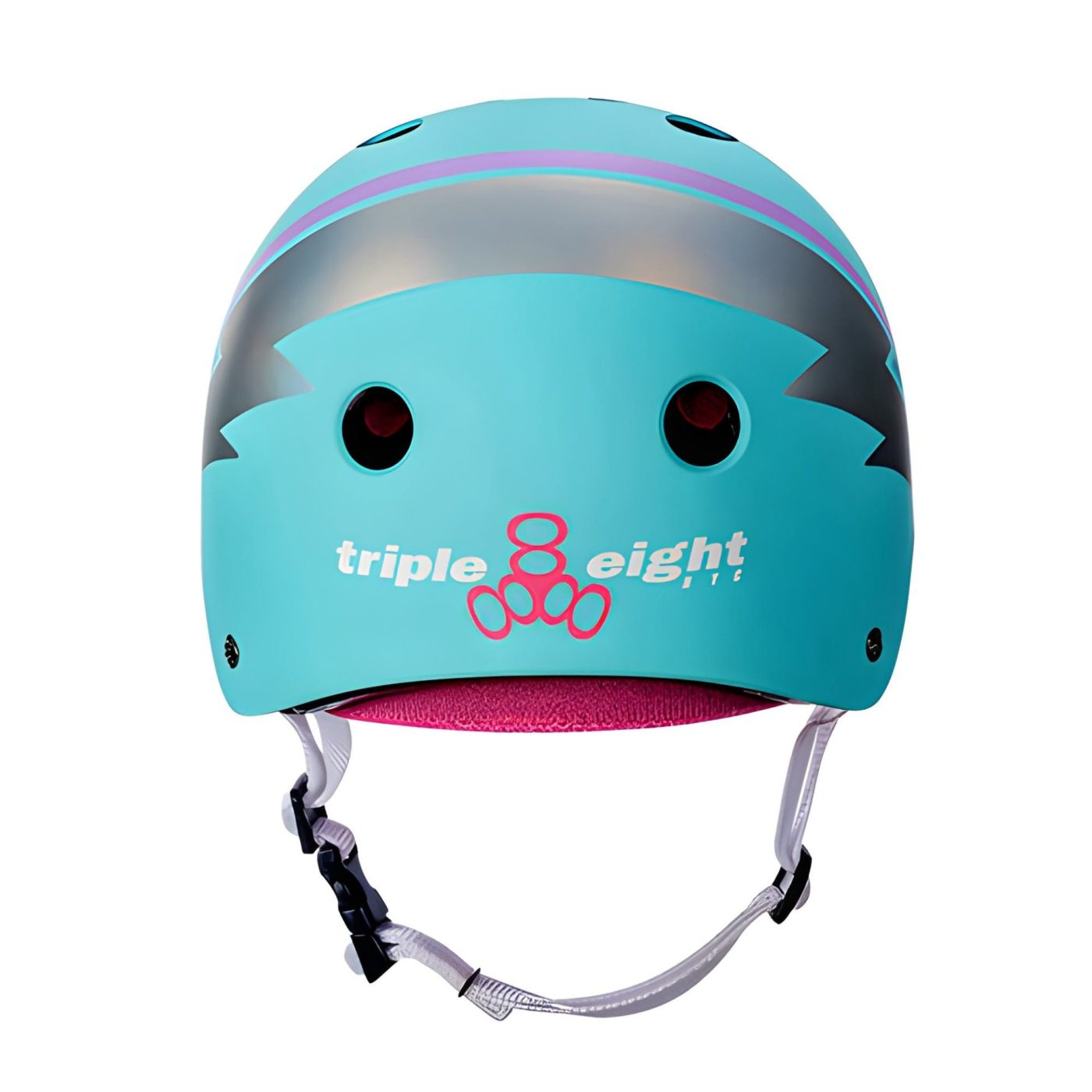
Is Your Child Wearing Their Helmet Correctly?

Helmet Tipped Back

Helmet Tipped Back

× Exposes too much forehead.

Fix: Bring it forward until it sits level and low.
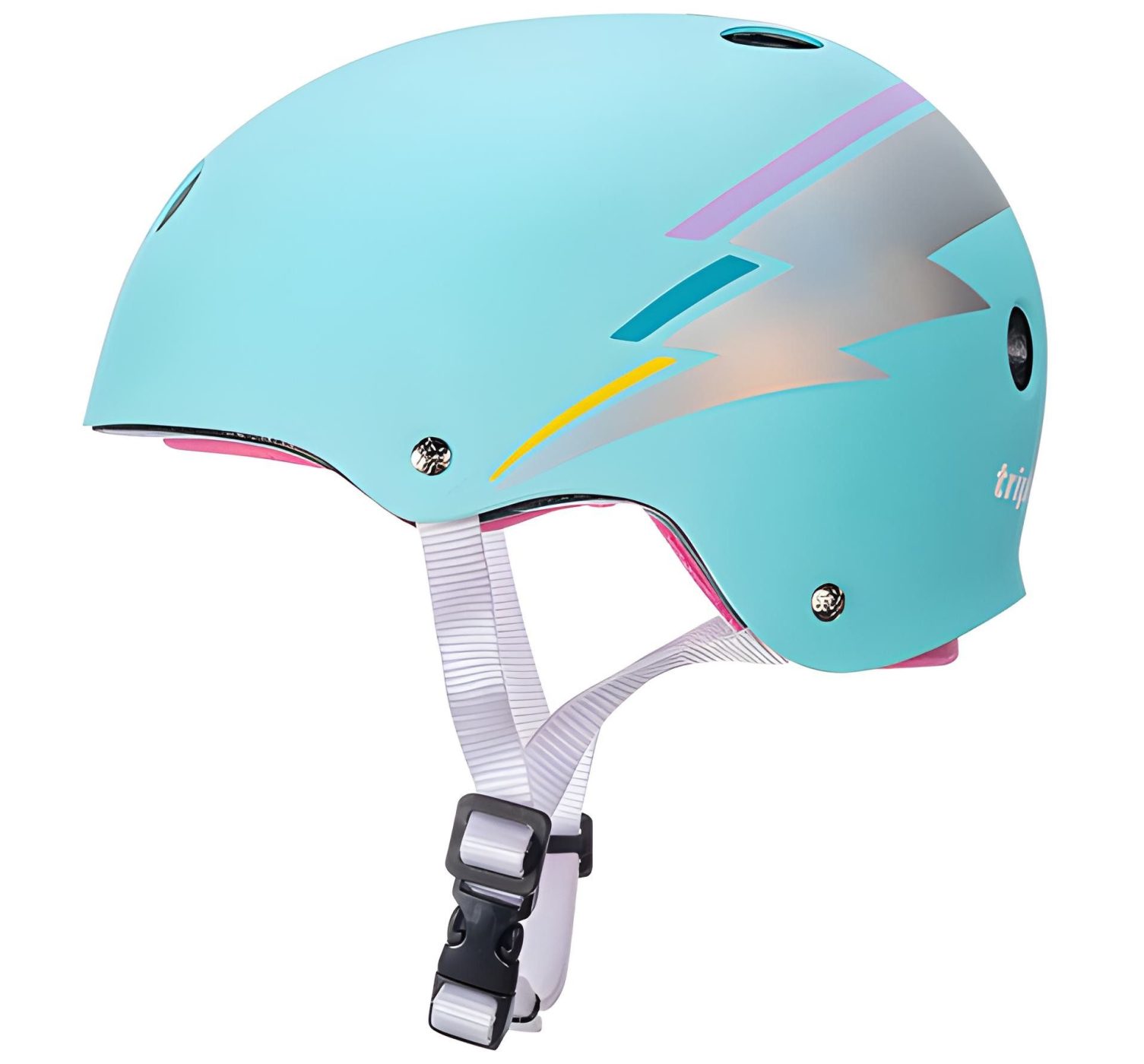
Helmet Too Large

Helmet Too Large

× Moves independently when the child turns or shakes their head.

Fix: Adjust it correctly; if it remains loose, try another size or model.
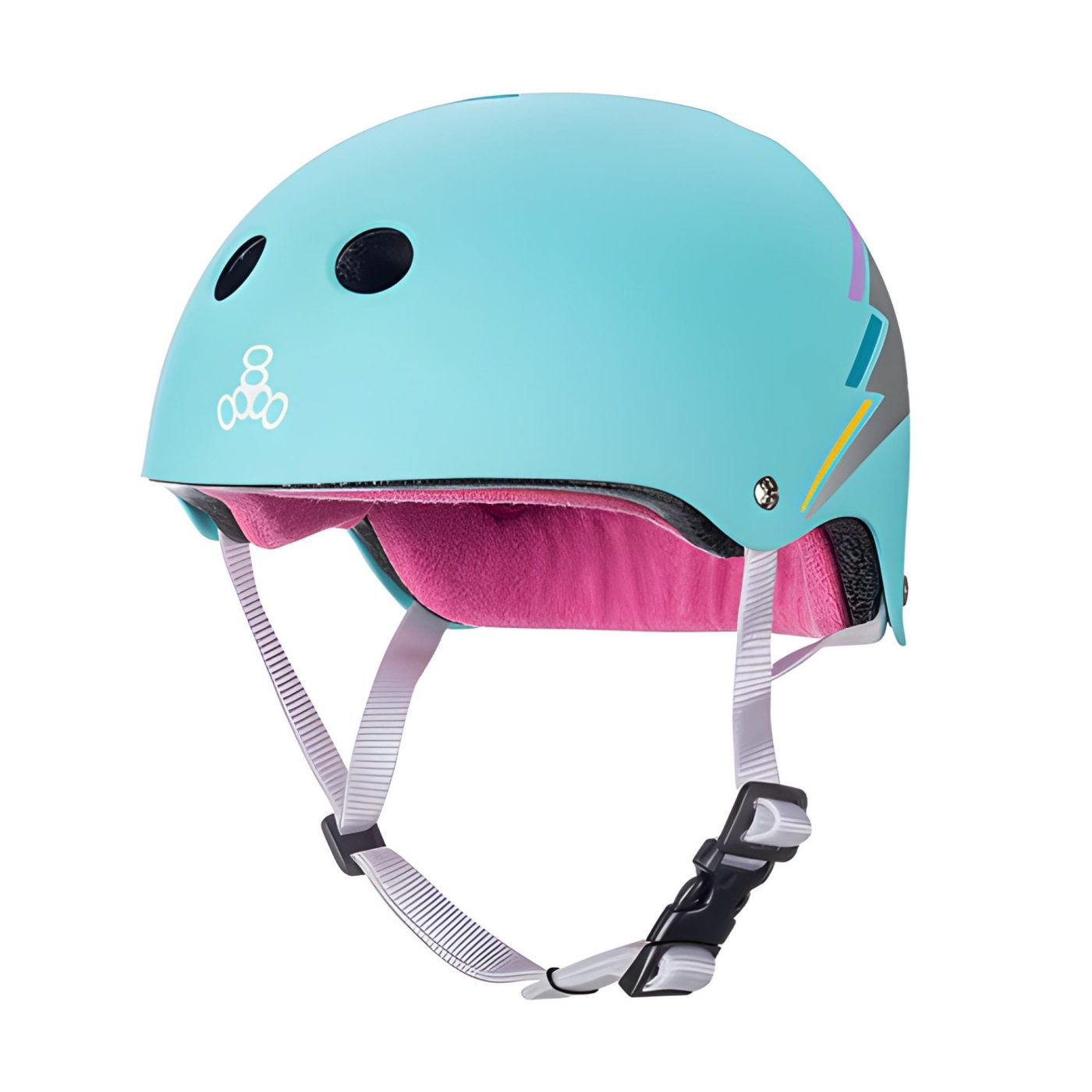
Straps Hanging Loose

Straps Hanging Loose

× Allows unnecessary helmet movement.

Fix: Adjust the side and chin straps until comfortably snug.
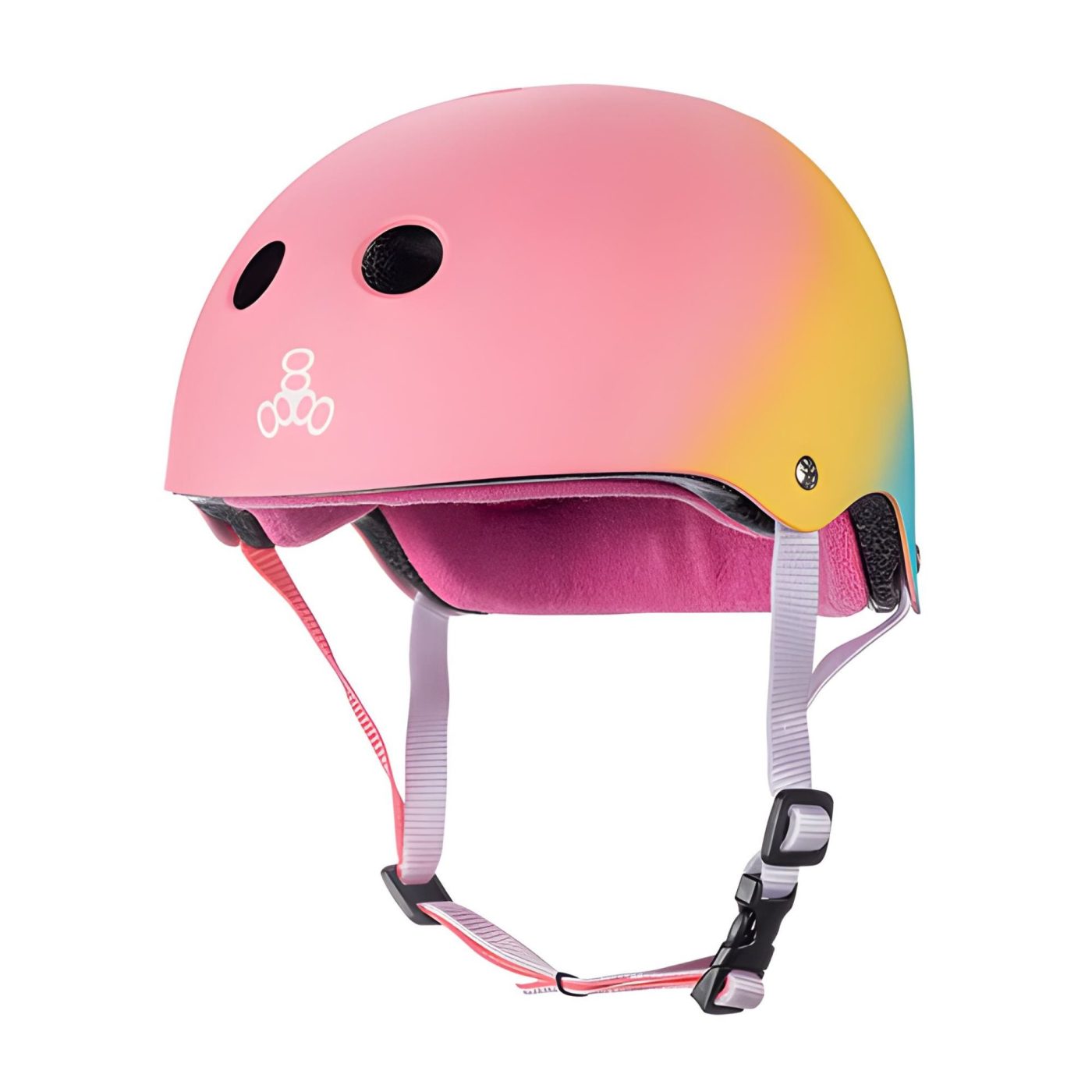
Straps In The Wrong Position

Straps In The Wrong Position

× The side straps do not sit neatly around the ears.

Fix: Position them so they form a V around each ear.

Comfort matters too. A helmet children find uncomfortable is also a helmet they'll be less enthusiastic about wearing.

Fit Them For Today

Bigger Is Not Better With A Helmet

It can be tempting to buy a larger helmet because your child will eventually grow into it. A helmet that shifts excessively can move out of position when it matters most.

Choose a helmet that fits securely now.

Use its approved adjustment range for reasonable future growth.

Do not use the fit system to disguise a shell that is fundamentally too large.

Child Wearing A Correctly Sized Helmet

Let Fit Decide

What If Their Measurement Fits Two Sizes?

Helmet ranges often overlap. Do not automatically choose the larger shell for growing room.
Trying The Smaller Overlapping Helmet Size

Try The Smaller Eligible Size

It sits fully down on the head.

It feels snug without painful pressure.

It covers the forehead correctly.

It remains stable once adjusted.
Trying The Larger Overlapping Helmet Size

Choose The Larger Eligible Size Only If

The smaller helmet creates pressure points.

The larger size can still be adjusted securely.

It remains level and does not rock or slide.

Fit today comes first. Never choose the larger helmet purely for future growing room.

More Than Just A Size

Compare Our Kids Helmet Options

The live panels query WooCommerce by product name so image, price, reviews, stock and product links remain current.

Triple 8 Lil 8

Small Heads. Big Adventures.

46–52 cm

Younger riders, small head circumferences and balance-bike adventures.

Loading live WooCommerce product…

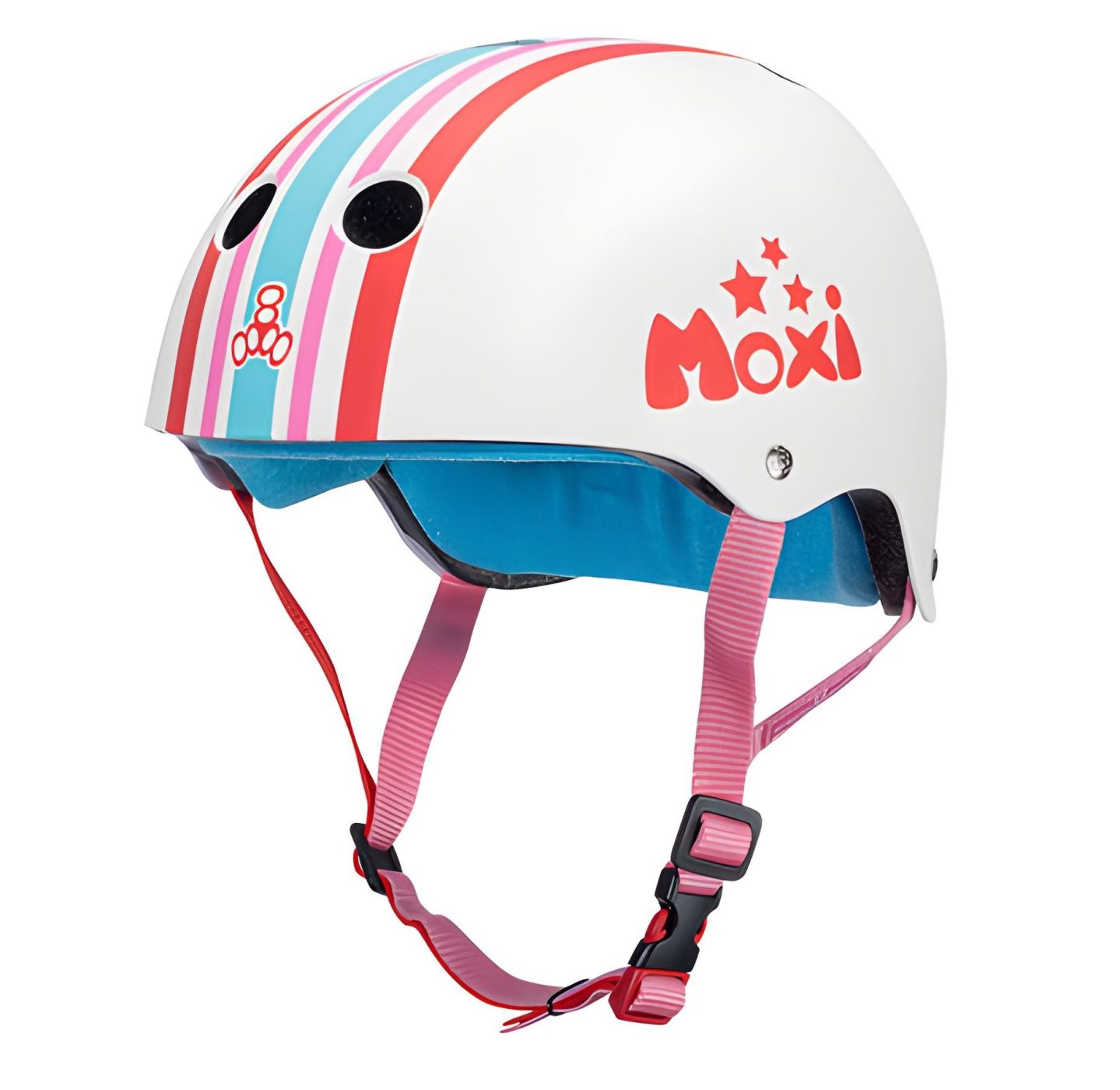
Triple 8 Wipeout

A Helmet They’ll Want To Wear

47–56 cm across sizes

Creative kids who enjoy personalisation, with several child size options.

Loading live WooCommerce product…

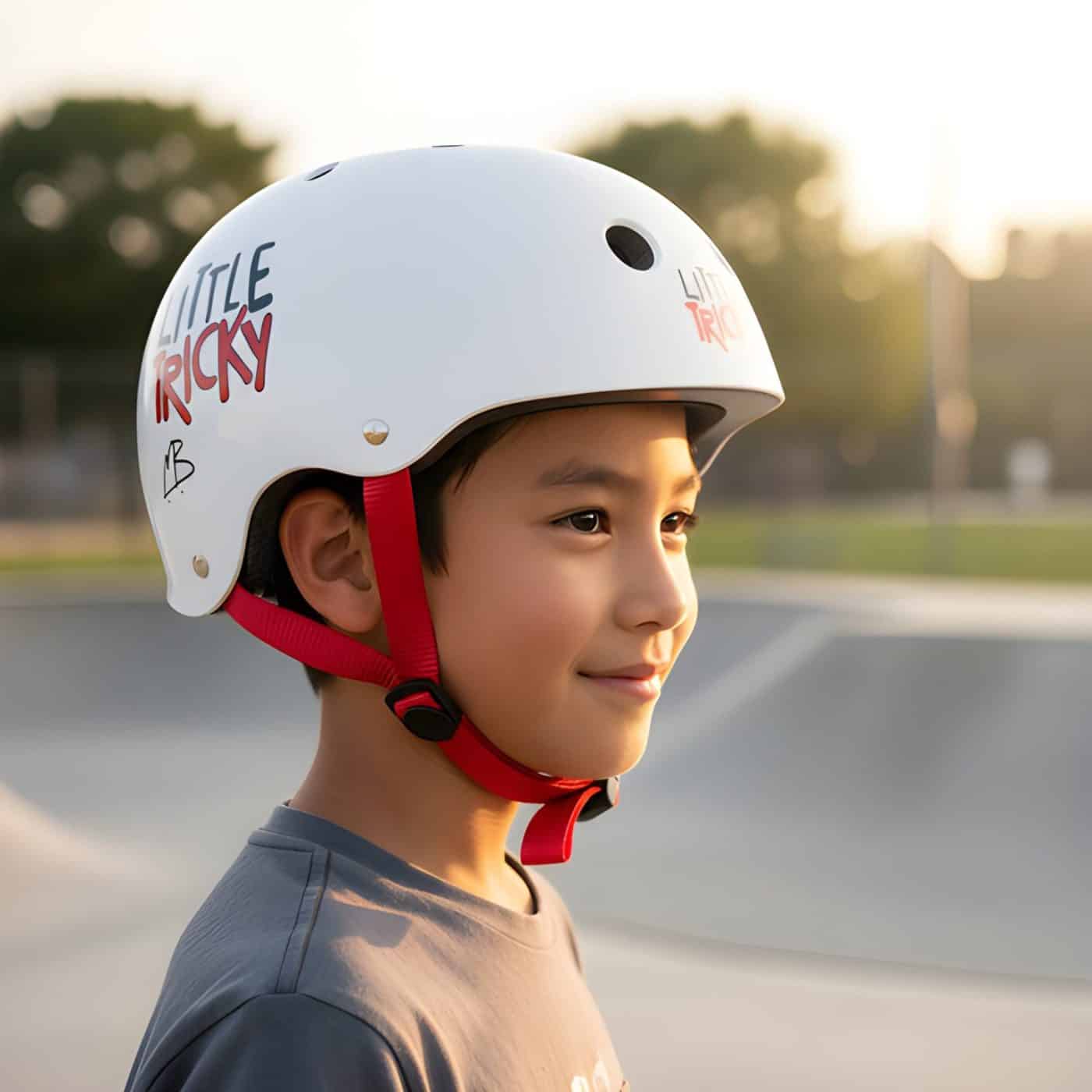
Triple 8 Little Tricky

Built For Growing Young Riders

50–56 cm

Older children moving beyond smaller toddler helmets.

Loading live WooCommerce product…

Triple 8 THE Certified

Premium Comfort For Older Kids & Teens

51–60 cm across listed sizes

Older kids, tweens and teenagers needing a low-profile certified helmet.

Loading live WooCommerce product…

Know What You're Buying

What Does Helmet Certification Mean?

A helmet should be designed, tested and marked for the activity it is intended to protect against. Always check the actual standards listed for the specific model rather than assuming every multi-sport helmet has identical approvals.

Check The Product Page

Show the exact certification and intended activity for each helmet model.

Bike + Skate

Some helmets are described as dual certified. Confirm the specific standards displayed for that helmet.

Australian Road Use

Where the helmet will be used on public roads, customers should confirm that the model and markings satisfy the rules applying where they ride.

Fine-Tune The Fit

Dials, Pads & Liners — What Do They Actually Do?

Adjustment Dial

Adjustment Dial

Fine-tunes an internal cradle around the head.
Fit Pads

Fit Pads

Different approved pad thicknesses fine-tune contact and comfort.
Comfort Liners

Comfort Liners

Soft liners manage sweat and comfort; they should not disguise an oversized shell.

Adjustment improves the fit. It doesn't replace correct sizing.

The Safest Helmet Is One They'll Actually Wear

What Makes A Good Kids Helmet Comfortable?

01

Good Ventilation

Helps reduce heat during longer rides.

02

Appropriate Weight

Easier for smaller children to wear consistently.

03

Soft Fit Pads

Help distribute pressure comfortably.

04

Easy Buckle

Can make getting ready less frustrating.

05

Secure Fit System

Helps parents achieve a snug final fit.

06

A Style They Love

Colour and graphics can make children more enthusiastic about wearing it.

Safety gets the helmet onto the shopping list. Comfort and style help keep it on their head.

Check It Regularly

When It's Time For A New Helmet

It has been involved in a significant crash or impact.

The shell or internal impact liner is cracked or damaged.

Straps, buckle or retention system are compromised.

It no longer fits securely.

The manufacturer recommends replacement due to age or condition.

The helmet has been recalled.

Impact damage may not always be obvious. Follow the helmet manufacturer's replacement instructions after a crash.
Parent Inspecting A Child's Bicycle Helmet
Child Removing Bicycle Helmet Before Playground Climbing

Helmets Are For Riding

Take The Helmet Off When Playtime Changes

Children should remove their riding helmet when they are no longer riding and before climbing or playing on playground equipment.

Make this an easy family habit:
Bike or scooter = helmet on
Climbing / general play = helmet off

Parents Ask Us

Kids Helmet Sizing FAQs

How do I know what size helmet my child needs?+

Measure the circumference of their head around the widest part, just above the eyebrows, and match that number to the centimetre range for the specific helmet model.

Can I choose a helmet using my child's age?+

Age can be a rough guide, but it should not be the primary sizing method. Children of the same age can have very different head circumferences.

Should I size up if my child is between sizes?+

Not automatically. Try the eligible sizes and choose the helmet that sits level, snug and stable without uncomfortable pressure.

How tight should a children's helmet be?+

Comfortably snug around the head without painful pressure points. It should not slide freely when the child turns or shakes their head.

How high should a helmet sit above the eyebrows?+

The front edge should generally sit around one to two finger-widths above the eyebrows while remaining level.

Where should the side helmet straps sit?+

They should form a V around each ear, with the junction sitting just below or slightly in front of the ear.

How tight should the chin strap be?+

Comfortably snug. A practical check is that there should only be limited finger room between strap and chin.

What if the helmet moves when my child shakes their head?+

Adjust it using the manufacturer-approved fit system. If it still shifts substantially, it may be too large or the wrong shape.

Can I add extra foam to make a large helmet fit?+

Only use fit pads supplied or specifically approved by the helmet manufacturer. Do not improvise padding to make an oversized helmet appear to fit.

What size is the Triple 8 Lil 8?+

This guide uses approximately 46–52 cm head circumference.

What size is the Triple 8 Wipeout?+

This guide uses Small 47–49 cm, Medium 49–52 cm and Large 52–56 cm.

What size is the Triple 8 Little Tricky?+

This guide uses approximately 50–56 cm.

What size is Triple 8 THE Certified?+

This guide lists XS/S 51–54 cm, S/M 53–57 cm and L/XL 57–60 cm. Confirm the exact product variation before ordering.

What does dual certified mean?+

It means the particular helmet has been tested against specified standards for more than one activity. Always check the actual certifications listed for the model.

Should a child wear their bike helmet on a playground?+

No. Remove riding helmets before climbing or playground use.

Should I replace a helmet after a crash?+

Follow the manufacturer instructions. A helmet that receives a significant impact may be damaged even when damage is not immediately visible.

Measure Once. Ride With Confidence.

Find A Helmet That Fits Them Properly

A great kids helmet should fit properly, feel comfortable and be something your child is happy to wear. Start with head circumference, match it to an eligible helmet, then complete the Kidvelo fit check before the first ride.

Fit Properly
Feel Comfortable
Something They’ll Wear
Safe Fit. Happy Rider. More Confident Adventures.
Need their helmet size? Enter Head Size

FAQ

The best way to choose a kids bike helmet is to measure your child’s head circumference. Use a soft measuring tape around the widest part of the head, about 1 cm above the eyebrows. Compare that measurement to the Kidvelo Kids Helmet Size Chart to find the correct fit. A properly fitted helmet should feel snug without causing discomfort.

Wrap a soft measuring tape around the child’s head just above the eyebrows and ears. Keep the tape level all the way around the head and record the measurement in centimetres. This measurement will help you select the correct size from the kids helmet size chart.

Many 2-year-olds fit a 48–52 cm toddler helmet, but head sizes vary. Always measure your child’s head before purchasing. A helmet that is too large may move during a fall and reduce protection.

Yes. A correctly fitted helmet should sit low on the forehead, about 1–2 finger widths above the eyebrows. This position helps protect the front of the head while allowing the child to see clearly.

The helmet should be snug enough that it does not slide forward, backward, or side to side when the child shakes their head. The chin strap should allow room for one finger between the strap and the child’s chin.

No. A helmet that is too large can move out of position during an impact and may not provide adequate protection. If the helmet rocks, slides, or requires excessive padding to fit, choose a smaller size.

Replace a kids bike helmet immediately after any significant crash or impact, even if no damage is visible. For regular use, many manufacturers recommend replacement every 3–5 years, depending on wear, sun exposure, and condition.

It is generally not recommended to use a second-hand helmet unless you know its full history. A helmet may have experienced an impact that weakened the protective foam, even if the outer shell looks fine.

If your child is between sizes, choose the size that allows a snug, secure fit using the adjustment system. Avoid buying a helmet with significant room to “grow into,” as it may not protect properly now.


Kids Cycling Helmets

Discover everything your child needs to ride with confidence — from balance bikes and first pedal bikes to helmets, gloves, and cycling accessories. Our range is designed to keep kids safe, comfortable, and excited to get outside and ride.

  • Rated 5.00 out of 5 based on 8 customer ratings
    (8)
    Original price was: $79.00.Current price is: $69.00.
    More options
    This product has multiple variants. The options may be chosen on the product page
  • Rated 5.00 out of 5 based on 5 customer ratings
    (5)
    Original price was: $99.00.Current price is: $89.00.
    More options
    This product has multiple variants. The options may be chosen on the product page
  • Rated 5.00 out of 5 based on 5 customer ratings
    (5)
    Original price was: $109.00.Current price is: $99.00.
    More options
    This product has multiple variants. The options may be chosen on the product page
  • Original price was: $129.00.Current price is: $119.95.
    More options
    This product has multiple variants. The options may be chosen on the product page
Kids-Bikes-Online-02

First timer?

Sign up and get $10 off your first order valued over $99

Subscribe to your newsletter and be the first to hear about our new arrivals, special promotions and online exlusives