Balance Bikes
The Easiest Way for Kids to Learn to Ride
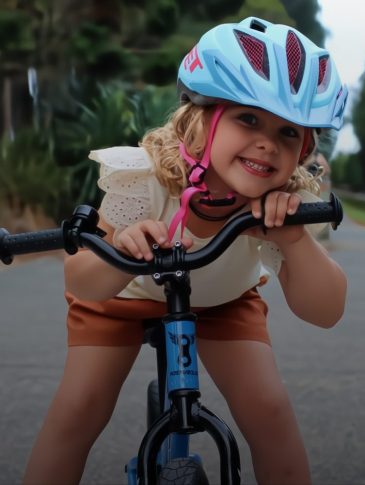
Give your child the best start on two wheels with a balance bike designed to build confidence, coordination, and independence. By learning balance first, children develop the essential skills needed to transition to a pedal bike naturally—without the frustration of training wheels.
✔ Fast Shipping Australia-wide • ✔ 30-Day Love Your Ride Guarantee • ✔ 5-Year Bike Warranty • ✔ Learn-to-Ride Specialists Since 2008
Loved by Hundreds of Happy Parents and Grandparents!
 Rated 5.00 out of 5 based on 12 customer ratings(12)$229.00This product has multiple variants. The options may be chosen on the product page
- Rated 5.00 out of 5 based on 12 customer ratings(12)$509.00This product has multiple variants. The options may be chosen on the product page
- Rated 5.00 out of 5 based on 12 customer ratings(12)$529.00This product has multiple variants. The options may be chosen on the product page
- Rated 5.00 out of 5 based on 19 customer ratings(19)$749.00This product has multiple variants. The options may be chosen on the product page
Frequently Asked Questions of Balance Bikes
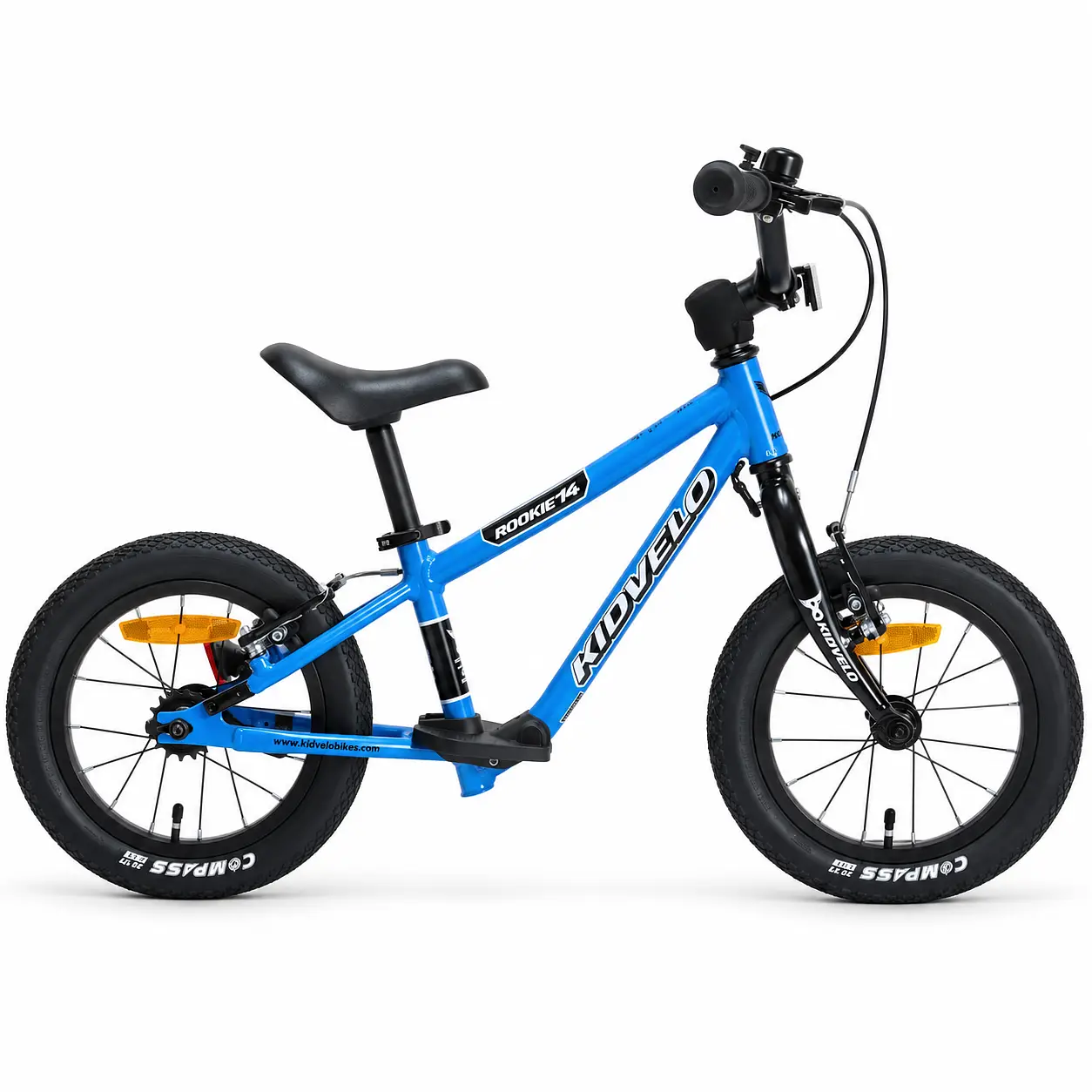
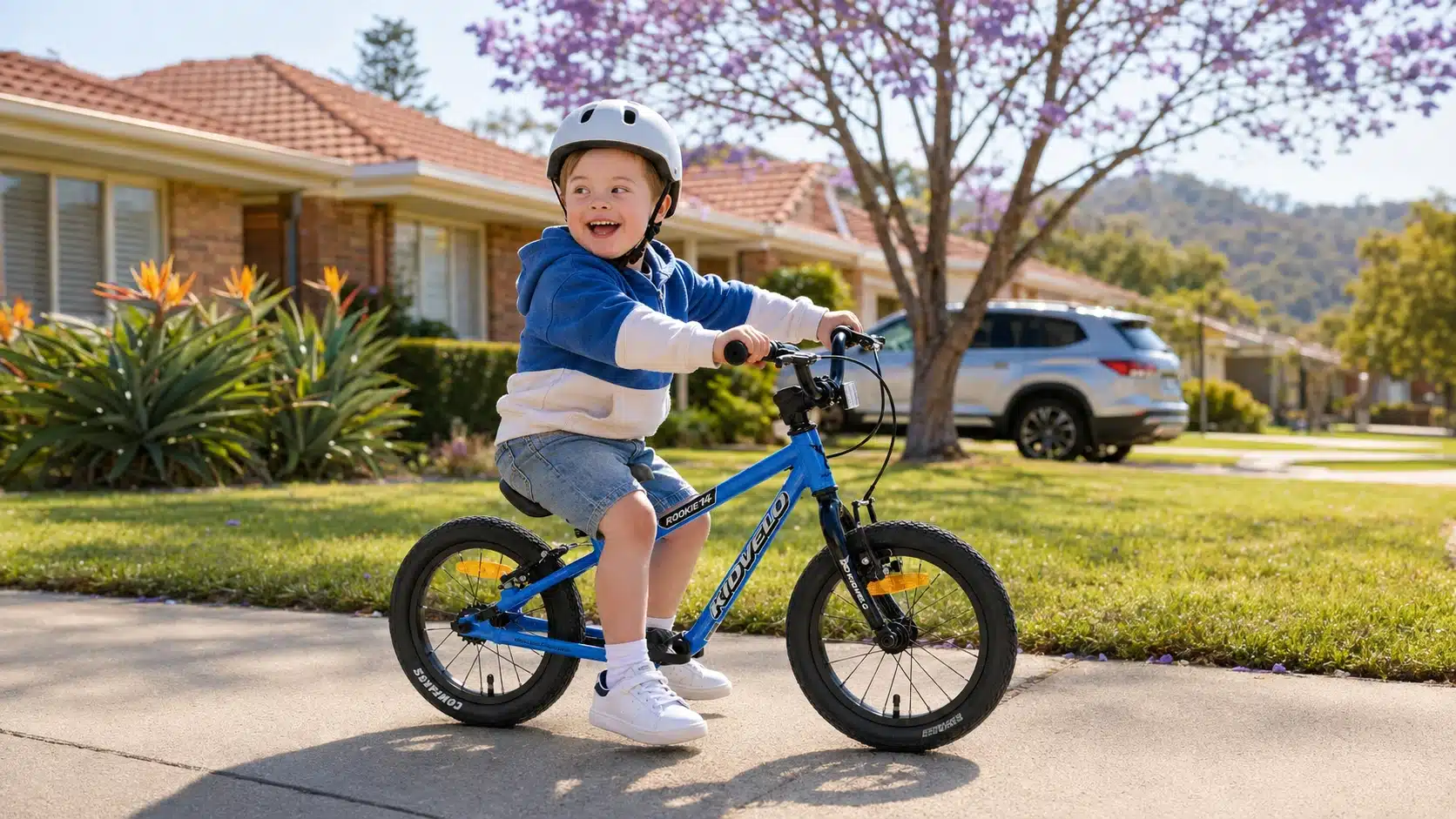
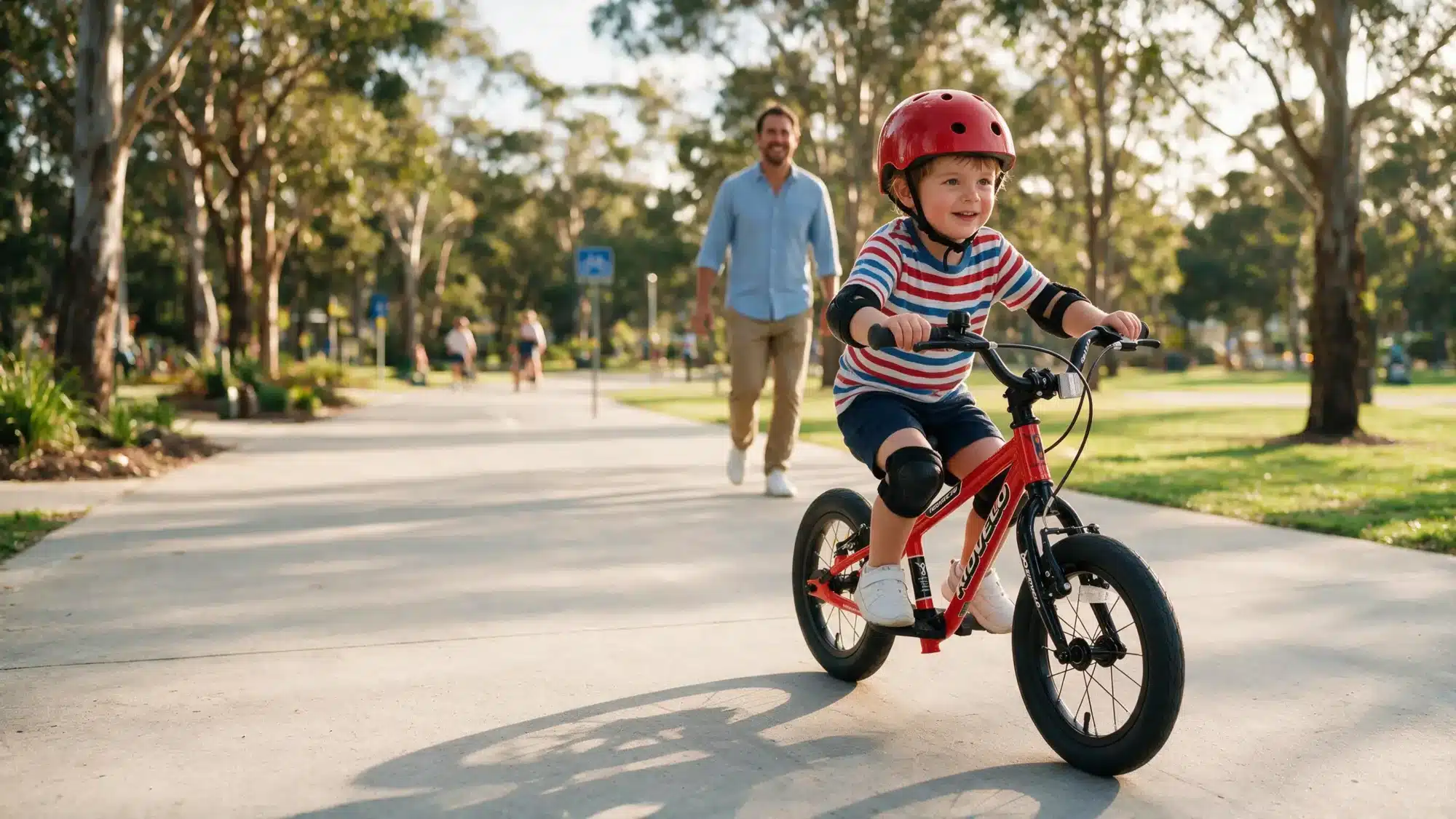
A balance bike is a pedal-free bike designed to teach children balance and steering before introducing pedalling. Children propel themselves with their feet, helping them develop coordination, confidence, and bike control naturally.
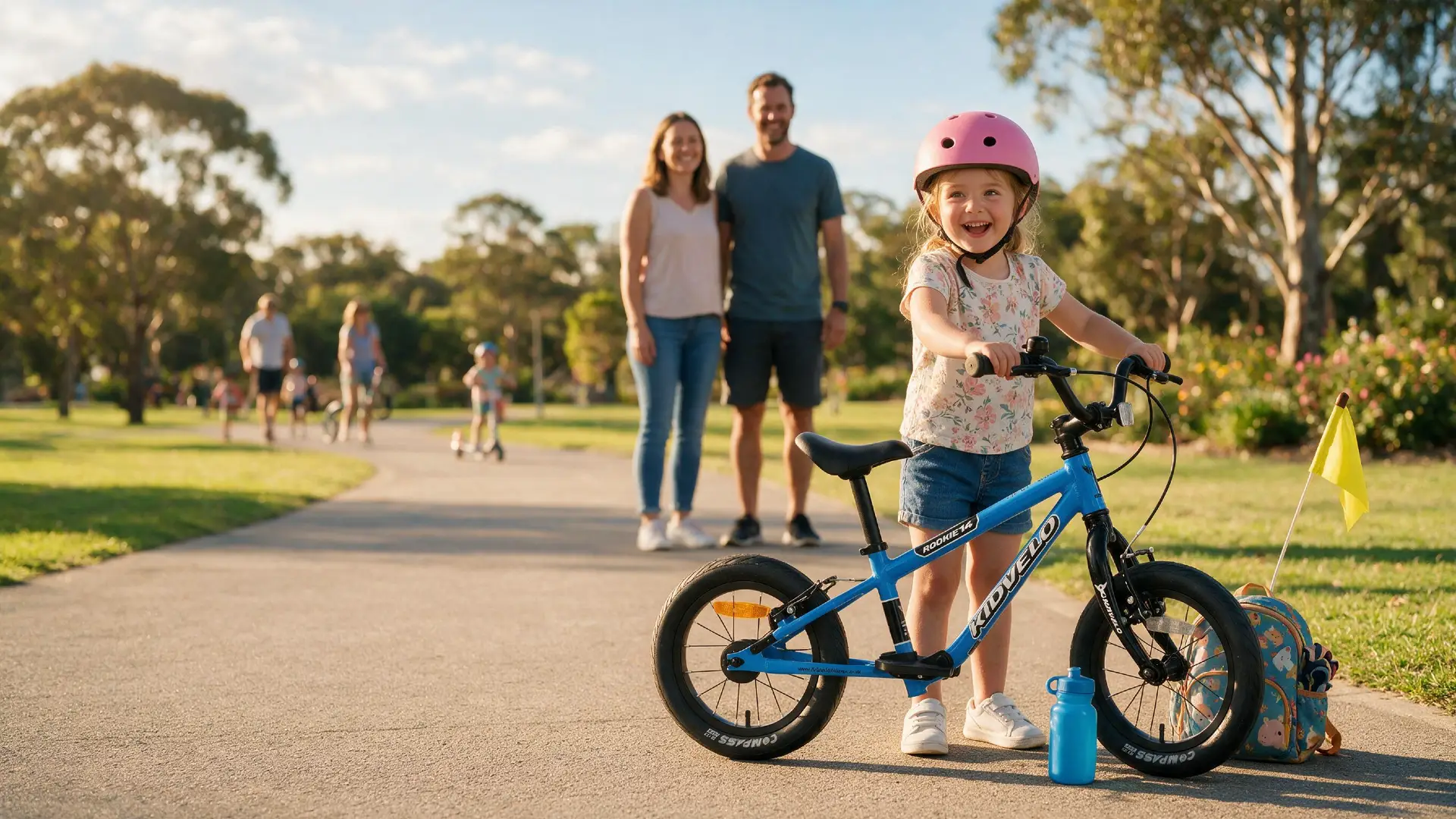
Most children can start using a balance bike from around 18 months to 5 years old, depending on their height and confidence. Choosing the correct size balance bike ensures a comfortable and safe riding experience.
Yes. Balance bikes teach children the most important cycling skill first—balance. Unlike training wheels, which can create dependency, balance bikes help children develop confidence and control, often resulting in a faster transition to a pedal bike.
Every child is different, but many children begin gliding and balancing within a few weeks of regular use. Because they learn balance naturally, most children are able to transition to a pedal bike more easily when they are ready.
The best balance bike should be lightweight, easy to control, and properly sized for your child's height and inseam measurement. A well-fitted bike helps children feel more confident, comfortable, and successful as they learn to ride.
Looking For Adventure and Insider Tips?
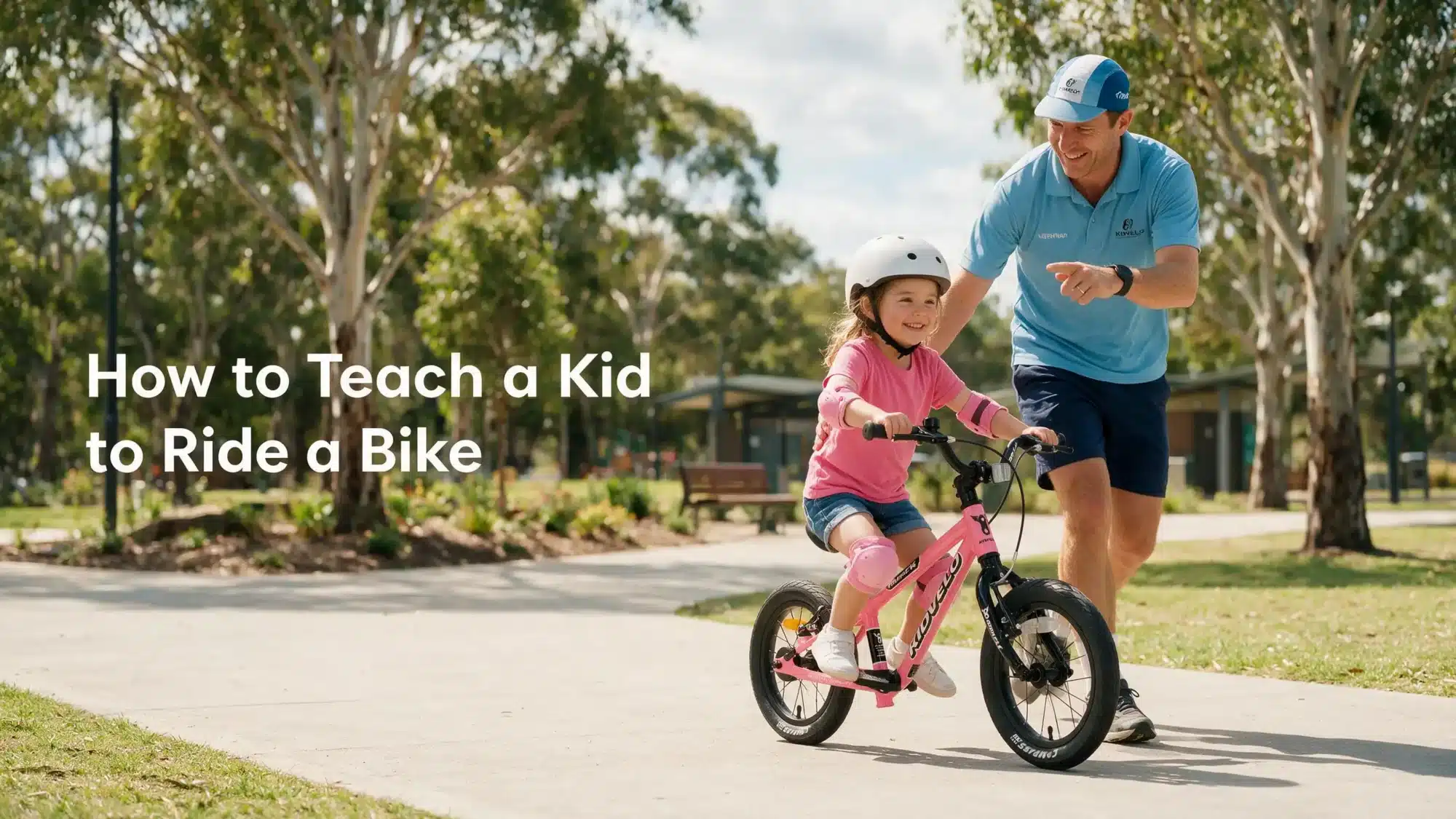
Here you’ll find tons of ideas and inspiration to make bike riding or skating with your child, even more fun!
Why Choose Our Quality Products For Your Child?
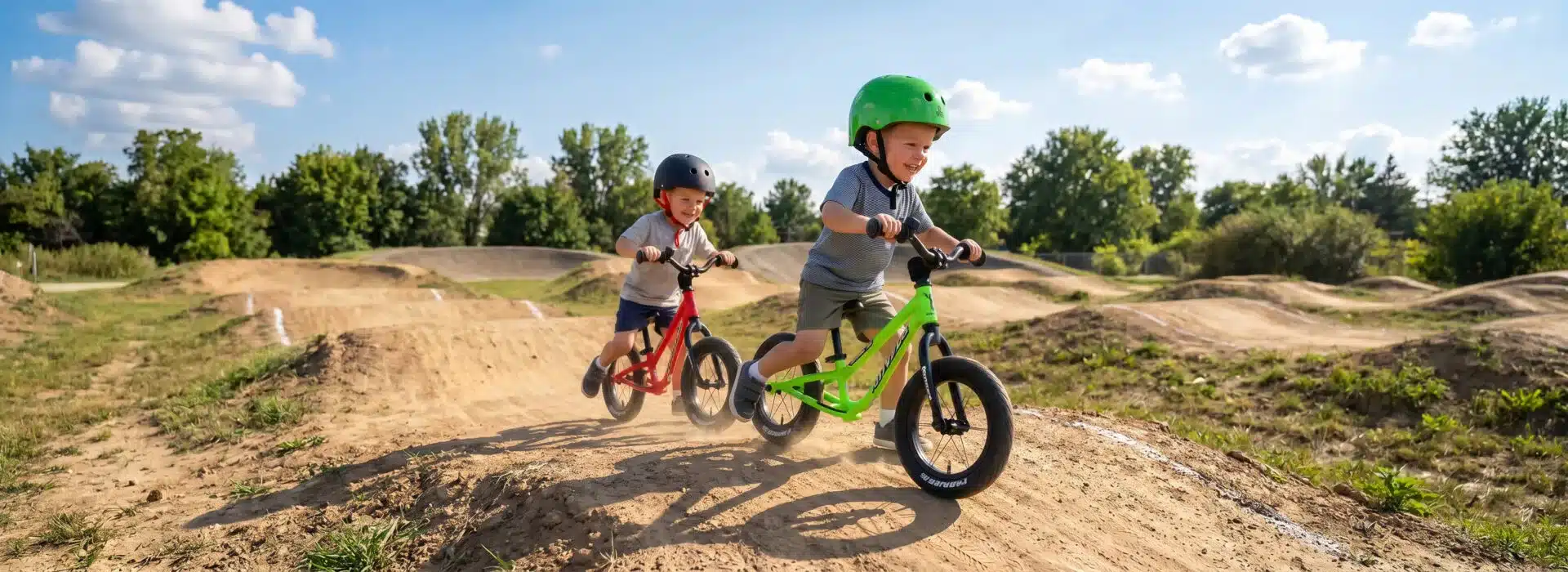
Choosing the Best Balance Bike & Kids Bike: A Parent’s Guide
As parents, we all want to give our children the best start in life, and that includes helping them develop essential skills like balance and coordination. When it comes to teaching kids how to ride a bike, balance bikes and kids bikes have become increasingly popular options. In this comprehensive guide, we’ll explore the world of balance bikes and kids bikes, helping you make an informed decision for your child’s cycling journey.What Are Balance Bikes?
Balance bikes are two-wheeled bicycles without pedals, designed for young children to learn balance and steering before transitioning to pedal bikes. These bikes allow children to sit on the seat and push themselves along with their feet, gradually learning to lift their feet and glide as they gain confidence.Key Features of Balance Bikes:
- No pedals
- Lightweight frame
- Adjustable seat height
- Suitable for children as young as 18 months
Benefits of Balance Bikes
Balance bikes offer numerous advantages for young children learning to ride:- Improved Balance and Coordination: By focusing on balance without the distraction of pedaling, children develop these crucial skills more quickly.
- Confidence Building: Kids can control their speed and stop easily with their feet, reducing the fear of falling.
- Easier Transition to Pedal Bikes: Children who start with balance bikes often transition to pedal bikes more smoothly, often skipping the training wheel phase altogether.
- Age-Appropriate: Balance bikes are suitable for toddlers as young as 18 months, allowing them to start developing cycling skills early.
- Physical Exercise: Riding a balance bike provides a fun way for kids to stay active and improve their overall fitness.
Choosing the Right Balance Bike
When selecting a balance bike for your child, consider the following factors:- Size: Ensure the bike is the right size for your child. Their feet should touch the ground comfortably when seated.
- Weight: Look for lightweight bikes that are easy for your child to maneuver.
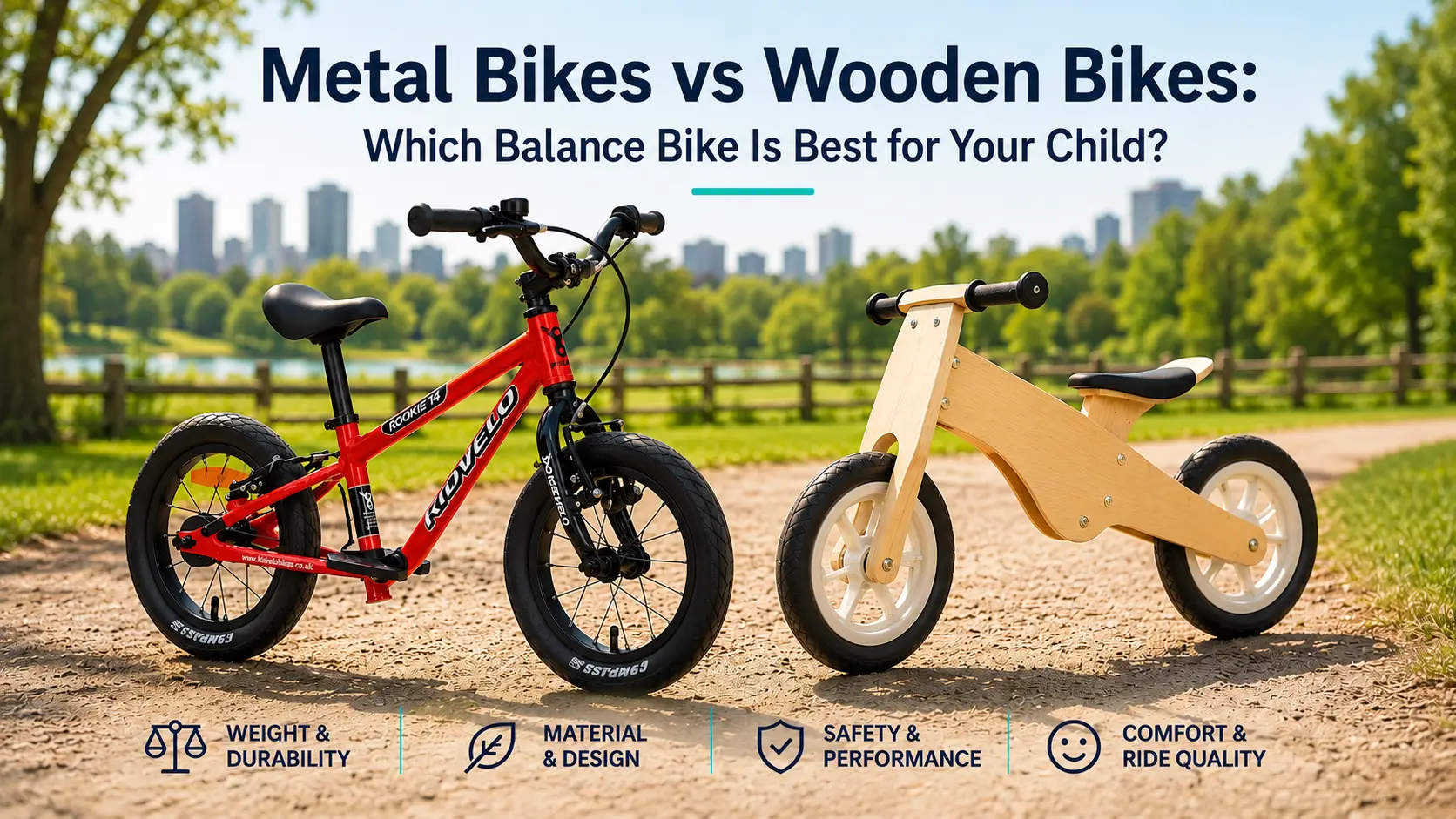
- Frame Material: Options include metal (aluminum or steel) and wood. Each has its pros and cons in terms of durability, weight, and eco-friendliness.
- Adjustability: Choose a bike with an adjustable seat to accommodate your child’s growth.
- Tires: Air-filled tires provide better traction and shock absorption, while foam tires are puncture-proof and maintenance-free.
- Brakes: Some balance bikes come with hand brakes, which can be useful for older children or those transitioning to pedal bikes.
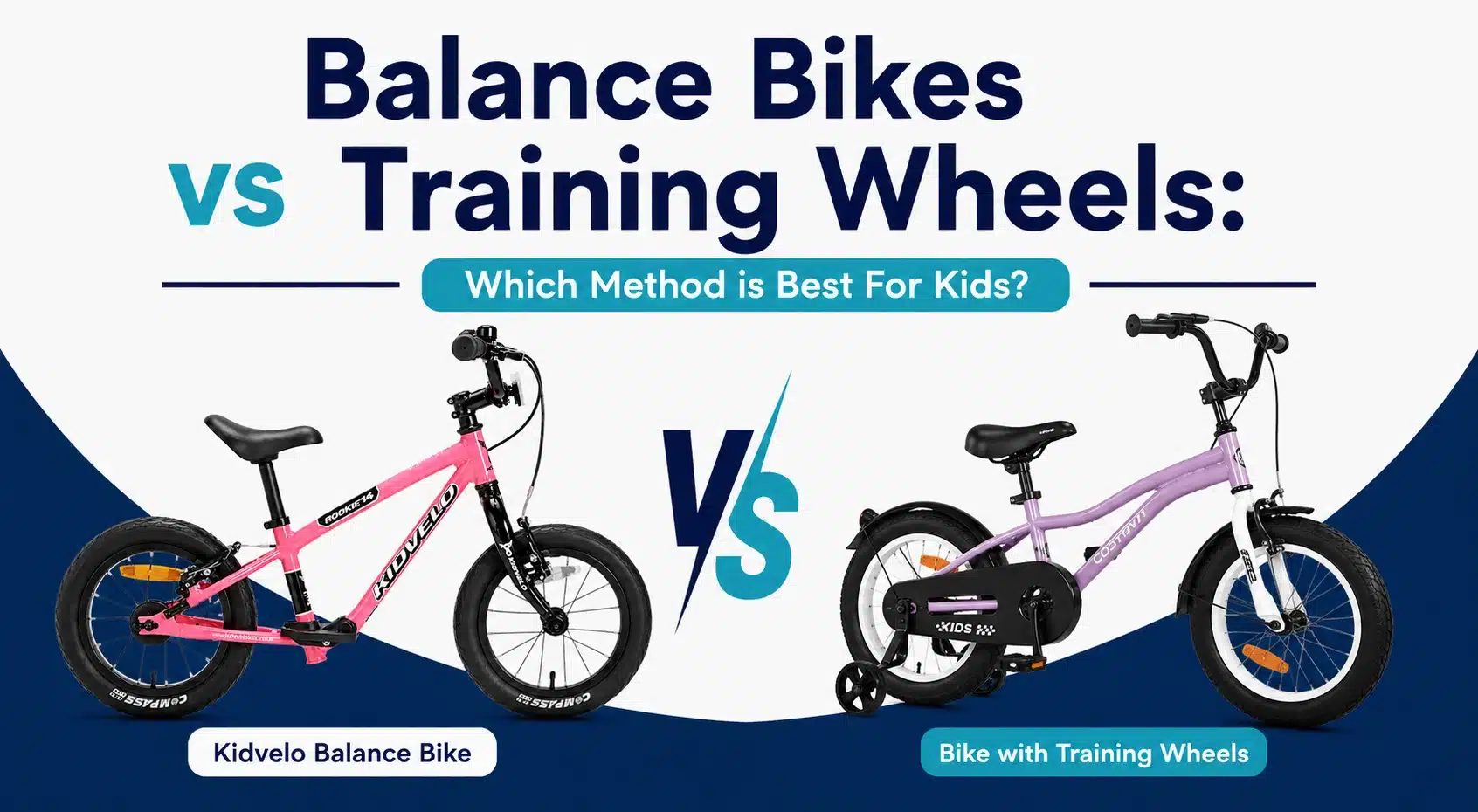
Balance Bikes vs Training Wheels
While training wheels have been the traditional method for teaching kids to ride, balance bikes offer several advantages:- Focus on Balance: Balance bikes help children develop the most crucial skill for cycling – balance – which training wheels don’t address.
- Natural Progression: The transition from a balance bike to a pedal bike is often smoother and quicker than removing training wheels.
- Confidence: Children on balance bikes typically feel more in control and confident compared to those on bikes with training wheels.
- Earlier Start: Balance bikes are suitable for younger children, allowing them to start developing cycling skills earlier.
- Fewer Bad Habits: Training wheels can lead to habits that are hard to break, such as leaning into turns, which balance bikes avoid.
Transitioning to Pedal Bikes
When your child is ready to move from a balance bike to a pedal bike, consider these tips:- Timing: Most children are ready to transition between ages 3 and 5, but it varies based on individual development and confidence.
- Choose the Right Bike: Look for a lightweight pedal bike with an appropriate frame size for your child.
- Remove the Pedals Initially: You can remove the pedals from the new bike at first, allowing your child to use it like a balance bike until they’re comfortable.
- Practice in a Safe Area: Start in a flat, open space away from traffic and obstacles.
- Encourage and Support: Offer plenty of encouragement and be patient as your child learns this new skill.
Safety Tips for Kids on Bikes
Ensuring your child’s safety while riding is paramount. Here are some essential safety tips:- Wear a Helmet: Always insist on a properly fitting helmet, regardless of the type of bike.
- Protective Gear: Consider additional protective gear like knee pads and elbow pads, especially for beginners.
- Supervision: Always supervise young children when they’re riding.
- Choose Safe Riding Areas: Stick to safe, traffic-free areas when your child is learning.
- Teach Road Safety: As your child progresses, teach them basic road safety rules and signs.
- Regular Bike Checks: Ensure the bike is in good condition before each ride.
Maintenance and Care
Proper maintenance of balance bikes and kids bikes is crucial for safety and longevity:- Regular Cleaning: Wipe down the bike after rides, especially if it’s been used in muddy conditions.
- Check Tire Pressure: For bikes with air-filled tires, maintain proper pressure for optimal performance.
- Lubricate Moving Parts: Keep the chain (on pedal bikes) and other moving parts well-lubricated.
- Tighten Loose Parts: Regularly check and tighten any loose bolts or parts.
- Store Properly: Keep the bike in a dry place to prevent rust and damage.