Special Needs Balance Bikes
Adaptive Bikes Designed for Every Child
Help your child build confidence, coordination, and independence with special needs balance bikes designed for riders of all abilities. Featuring adaptive designs, adjustable components, and kid-specific geometry, these bikes provide greater comfort, stability, and control. Explore inclusive riding solutions that make it easier for every child to experience the joy and freedom of riding.
✔ Fast Shipping Australia-wide • ✔ 30-Day Love Your Ride Guarantee • ✔ 5-Year Bike Warranty • ✔ Learn-to-Ride Specialists Since 2008
Loved by Hundreds of Happy Parents and Grandparents!
 Rated 5.00 out of 5 based on 12 customer ratings(12)$229.00This product has multiple variants. The options may be chosen on the product page
- Rated 5.00 out of 5 based on 12 customer ratings(12)$509.00This product has multiple variants. The options may be chosen on the product page
- Rated 5.00 out of 5 based on 12 customer ratings(12)$529.00This product has multiple variants. The options may be chosen on the product page
- Rated 5.00 out of 5 based on 19 customer ratings(19)$749.00This product has multiple variants. The options may be chosen on the product page
Frequently Asked Questions of Special Needs Bikes For Kids
Balance bikes for special needs kids are specially designed bicycles that cater to the unique requirements of children with physical, cognitive, sensory, or developmental challenges. These bikes provide a supportive and inclusive platform for children with special needs to learn and enjoy biking.
Balance bikes offer numerous benefits for children with special needs, including improving balance, coordination, strength, motor skills, confidence, and independence. These bikes provide a safe and engaging way for children with diverse abilities to experience the joy of biking.
Looking For Adventure and Insider Tips?
Here you’ll find tons of ideas and inspiration to make bike riding or skating with your child, even more fun!
Why Choose Our Quality Products For Your Child?
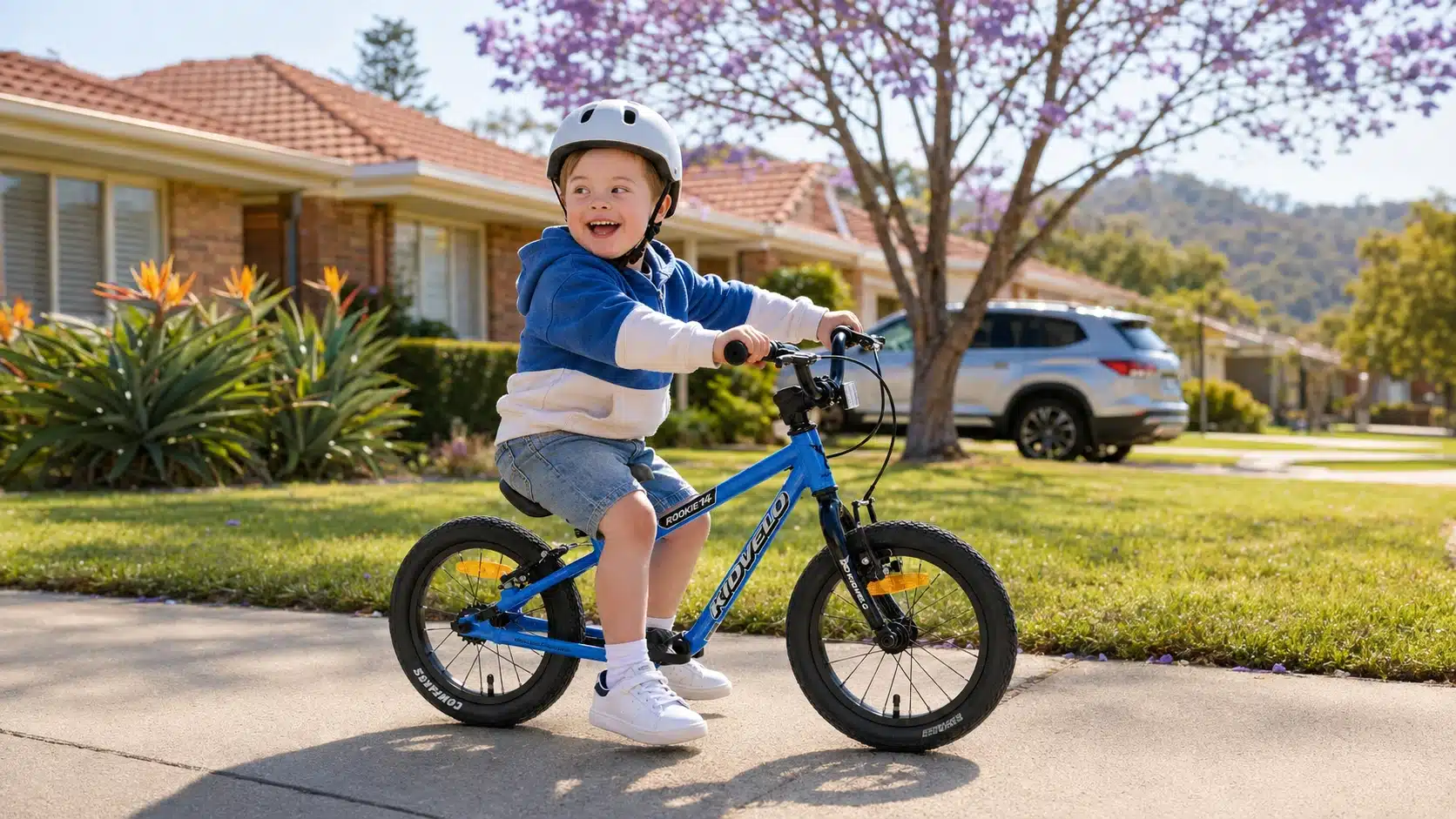
Balance Bikes for Special Needs Kids: Empowering Independence and Mobility
Balance bikes have become increasingly popular as a tool for teaching children how to ride bicycles. For special needs kids, these bikes offer more than just a stepping stone to cycling – they provide a means of independence, physical therapy, and social interaction. In this article, we’ll explore the world of balance bikes for special needs kids and how they can make a significant difference in a child’s development and quality of life.Understanding Balance Bikes
Balance bikes, also known as run bikes or push bikes, are pedal-less bicycles designed to help children learn balance and steering before transitioning to a regular bicycle. Unlike traditional bikes with training wheels, balance bikes allow children to develop their sense of balance naturally by using their feet to propel themselves forward and stop.Key features of balance bikes include:- Low seat height for easy ground reach
- Lightweight frame for easy maneuverability
- No pedals or drivetrain
- Adjustable seat and handlebars to grow with the child
Benefits of Balance Bikes for Special Needs Children
The therapeutic benefits of balance bikes for special needs children are numerous:- Improved Motor Skills: Riding a balance bike helps develop gross motor skills, coordination, and body awareness.
- Enhanced Balance and Proprioception: The act of balancing on two wheels promotes better spatial awareness and balance control.
- Increased Confidence: Mastering a balance bike can boost self-esteem and encourage independence.
- Social Interaction: Riding alongside peers can foster social skills and inclusion.
- Physical Exercise: Balance biking provides low-impact cardiovascular exercise, which is especially important for children with limited mobility.
- Sensory Integration: The varied sensory inputs from riding can help children with sensory processing disorders.
- Preparation for Independent Mobility: Skills learned on a balance bike can translate to other forms of mobility, including regular bicycles or even wheelchair use.
Choosing the Right Balance Bike
When selecting a balance bike for a child with special needs, consider the following factors:- Size and Adjustability: Ensure the bike can be adjusted to fit the child properly as they grow.
- Weight: A lighter bike is easier to maneuver and control.
- Frame Material: Aluminum or lightweight steel frames offer durability without excess weight.
- Tire Type: Air-filled tires provide better shock absorption, while foam tires are maintenance-free.
- Brakes: Some balance bikes come with hand brakes, which can be beneficial for children with good hand control.
- Footrests: Built-in footrests can help children learn to balance without their feet on the ground.
- Extra-wide seats for stability
- Larger, more stable wheels
- Lower step-through frames for easy mounting
- Handles for adult assistance
Balance Bikes for Different Special Needs
Balance Bikes for Kids with Down Syndrome
Children with Down syndrome often have low muscle tone and delayed motor development. Balance bikes can help strengthen core muscles and improve coordination. Look for bikes with:- Lower seat heights
- Wider tires for added stability
- Adjustable handlebars for a more upright riding position
Best Balance Bikes for Autistic Children
For children with autism, balance bikes can provide a structured physical activity that may help with sensory integration and motor planning. Consider bikes with:- Minimal design elements to reduce visual overwhelm
- Smooth, quiet-rolling wheels to minimize sensory input
- Customizable features to match the child’s preferences
Balance Bikes for Children with Cerebral Palsy
Cerebral palsy affects movement and posture, making traditional cycling challenging. Balance bikes can offer a more accessible alternative. Seek out:- Bikes with additional support features like backrests or harnesses
- Models with larger wheels for increased stability
- Adjustable components to accommodate different body positions
Balance Bikes for Kids with Motor Skill Delays
For children experiencing motor skill delays, balance bikes provide a safe way to practice and improve. Features to look for include:- Lightweight frames for easier handling
- Lower seat heights to build confidence
- Ergonomic grips for better hand placement
Teaching Special Needs Children to Ride
Teaching a child with special needs to ride a balance bike requires patience, consistency, and adaptability. Here are some tips:- Start Slow: Begin with short sessions and gradually increase duration as the child becomes more comfortable.
- Use Visual Aids: Create a visual schedule or use pictures to explain the steps of riding.
- Break It Down: Teach one skill at a time, such as sitting on the seat, walking while seated, or lifting feet.
- Provide Support: Use physical guidance or support harnesses if needed, gradually reducing assistance.
- Celebrate Progress: Offer praise and rewards for small achievements to build confidence.
- Make It Fun: Incorporate games or obstacle courses to keep the child engaged.
- Be Patient: Every child learns at their own pace, especially those with special needs.
Safety Considerations
Safety is paramount when introducing balance bikes to special needs children. Consider these safety tips:- Always supervise: Never leave the child unattended while on the bike.
- Wear protective gear: A well-fitting helmet is essential, along with knee and elbow pads.
- Choose appropriate terrain: Start on flat, smooth surfaces before progressing to gentle slopes or rougher terrain.
- Check the bike regularly: Ensure all parts are secure and in good condition before each ride.
- Teach stopping techniques: Show the child how to use their feet to stop safely.
- Be aware of sensory issues: Some children may need to gradually acclimate to wearing safety gear.
Balance Bikes vs. Other Mobility Aids
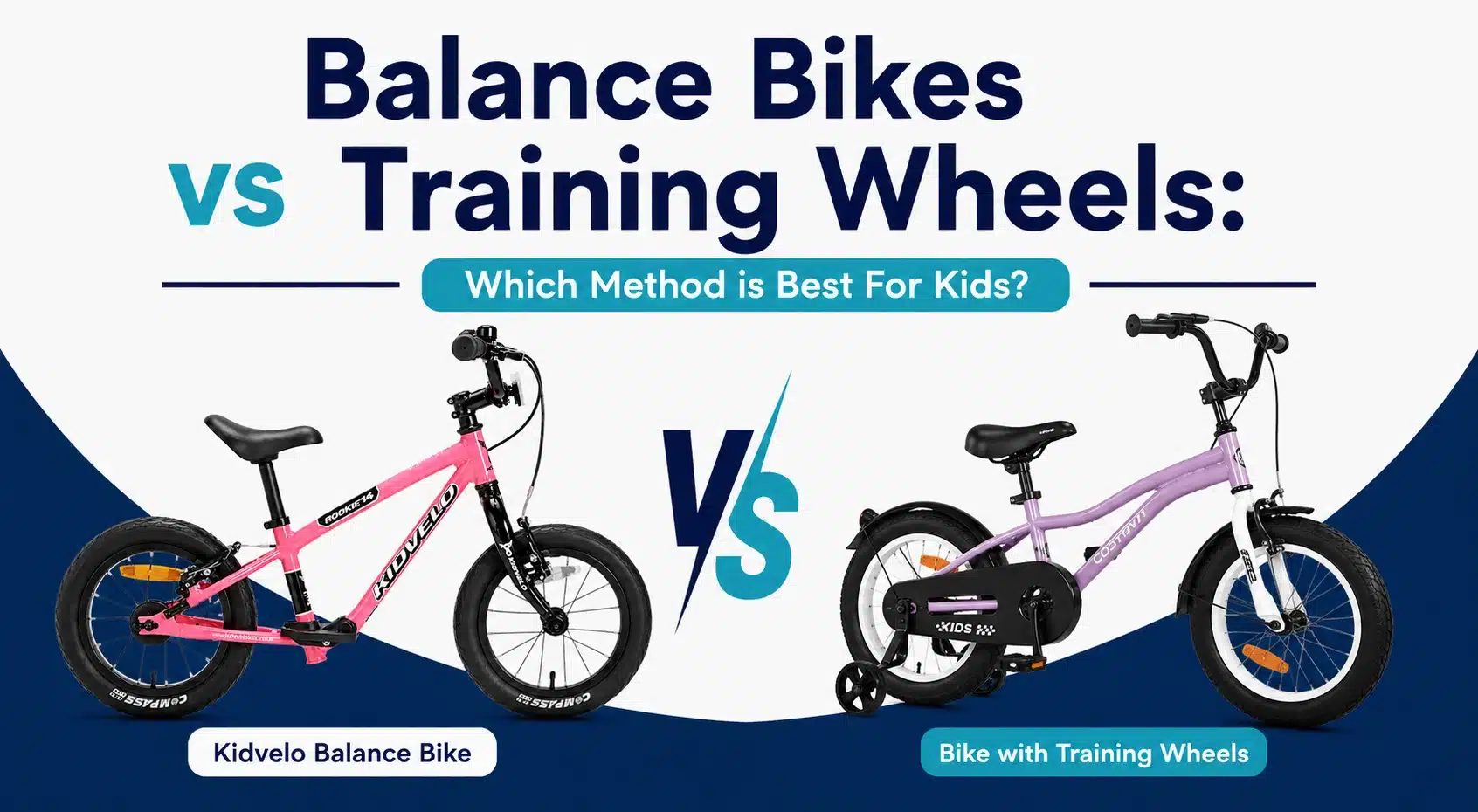
While balance bikes offer many benefits, it’s important to consider how they compare to other mobility aids for special needs children:Balance Bikes vs. Training Wheels
- Balance bikes teach true balance, while training wheels can create dependency.
- Training wheels may be more suitable for children who need additional support or have significant balance issues.
Special Needs Tricycles vs. Balance Bikes
- Tricycles offer more stability but don’t teach the same balancing skills.
- Balance bikes are generally lighter and more maneuverable.
- Some children may benefit from using both at different stages of development.
Balance Bikes vs. Walkers
- Balance bikes promote more dynamic movement and can be used outdoors.
- Walkers may be more appropriate for children with severe mobility limitations.
Custom Modifications for Special Needs
For children with unique physical challenges, custom modifications can make balance bikes more accessible:- Adapted Seating: Custom seats with added support or harnesses.
- Extended Handlebars: For children who need a more upright position.
- Foot Platforms: To support feet that can’t reach the ground easily.
- Larger Wheels: For increased stability and smoother rides over uneven surfaces.
- Brake Adaptations: Modified brake levers for easier use by children with limited hand strength or dexterity.