The Kidvelo Fit Method
Kids Bike Size Guide: Find Their Perfect Fit
The right bike doesn't just fit your child. It helps them feel safe, balanced and in control. At Kidvelo, we recommend choosing a bike using their leg inseam first, riding confidence second and age as a helpful guide.
30-Day Love Your Ride Guarantee
Shop with confidence and make sure their Kidvelo feels right.
5-Year Bike Warranty
Premium bikes backed for the riding journey ahead.
Australian Family-Owned
Kids-bike specialists helping families learn to ride.
Expert Sizing Support
Still unsure? Our team can help before you order.
One Learning Philosophy. Four Sizes.
Find Their Kidvelo
Age is a useful guide, but leg inseam is the best starting point. Match their measurement below, then use riding experience to decide between overlapping sizes.
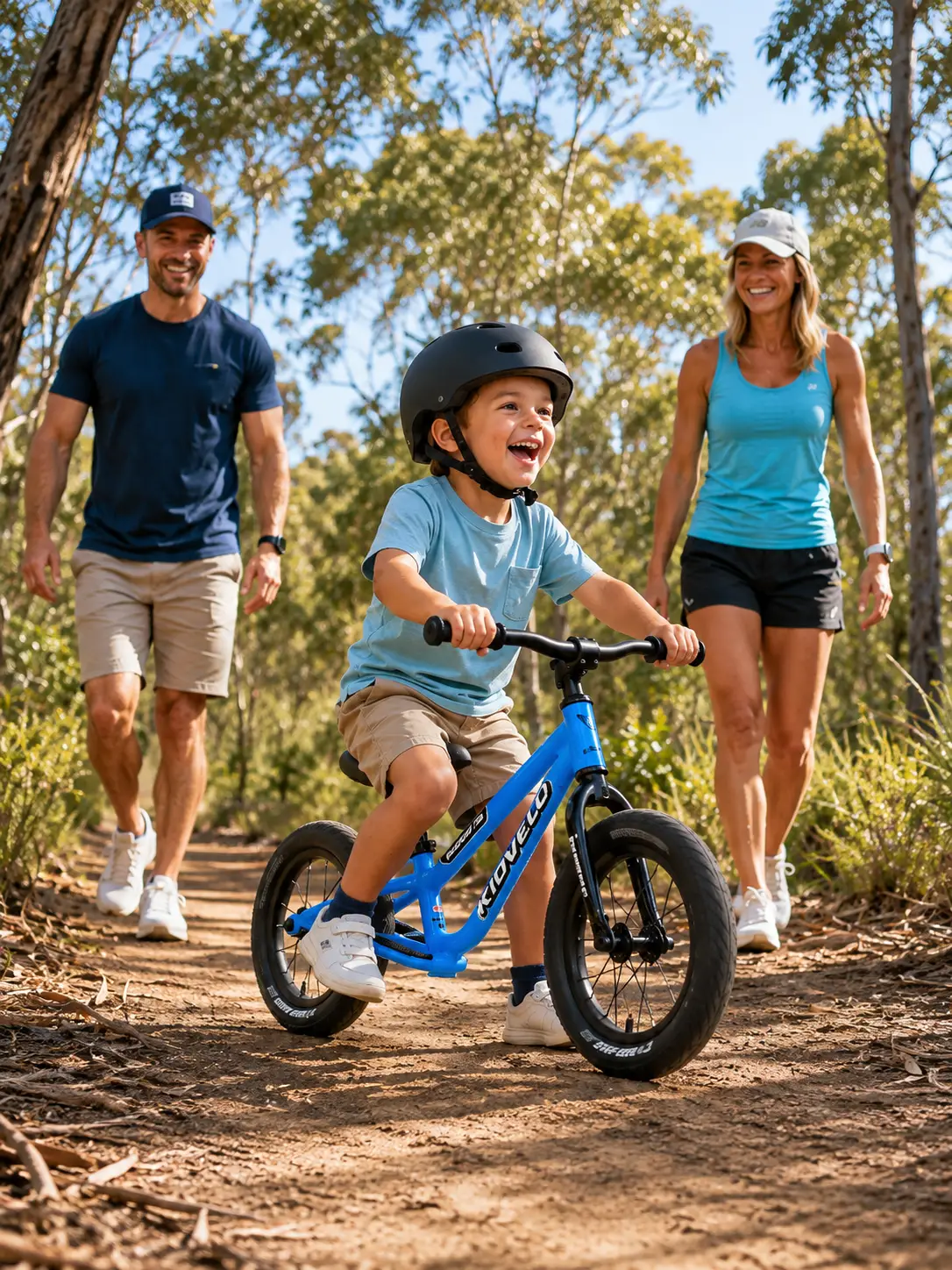

| Bike Model | Wheel | Age Guide | Leg Inseam | Learning Journey | |
|---|---|---|---|---|---|
Rookie 12 | 12 inch | 18 months–4 yrs | 30–48 cm | Balance | View → |
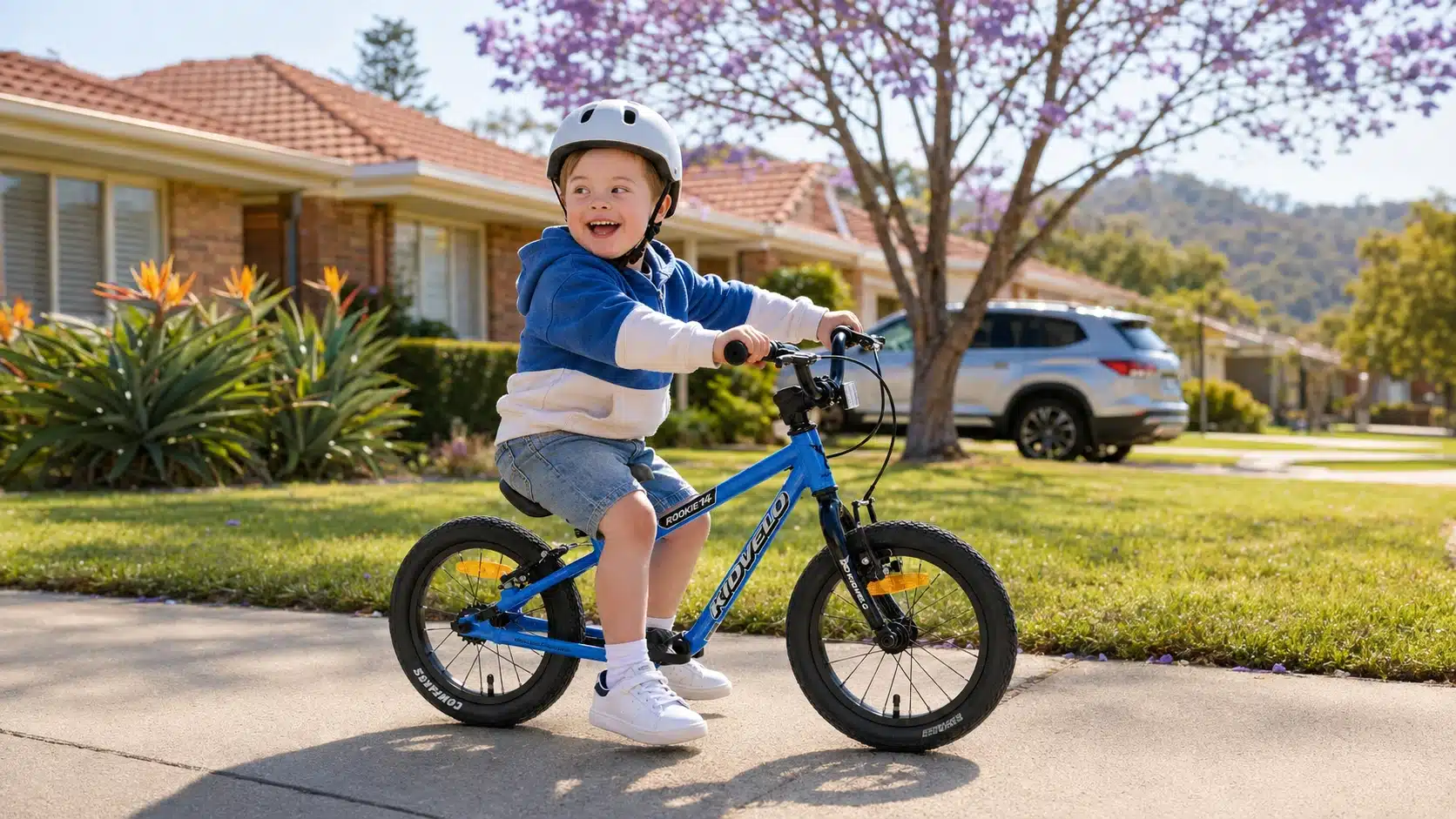
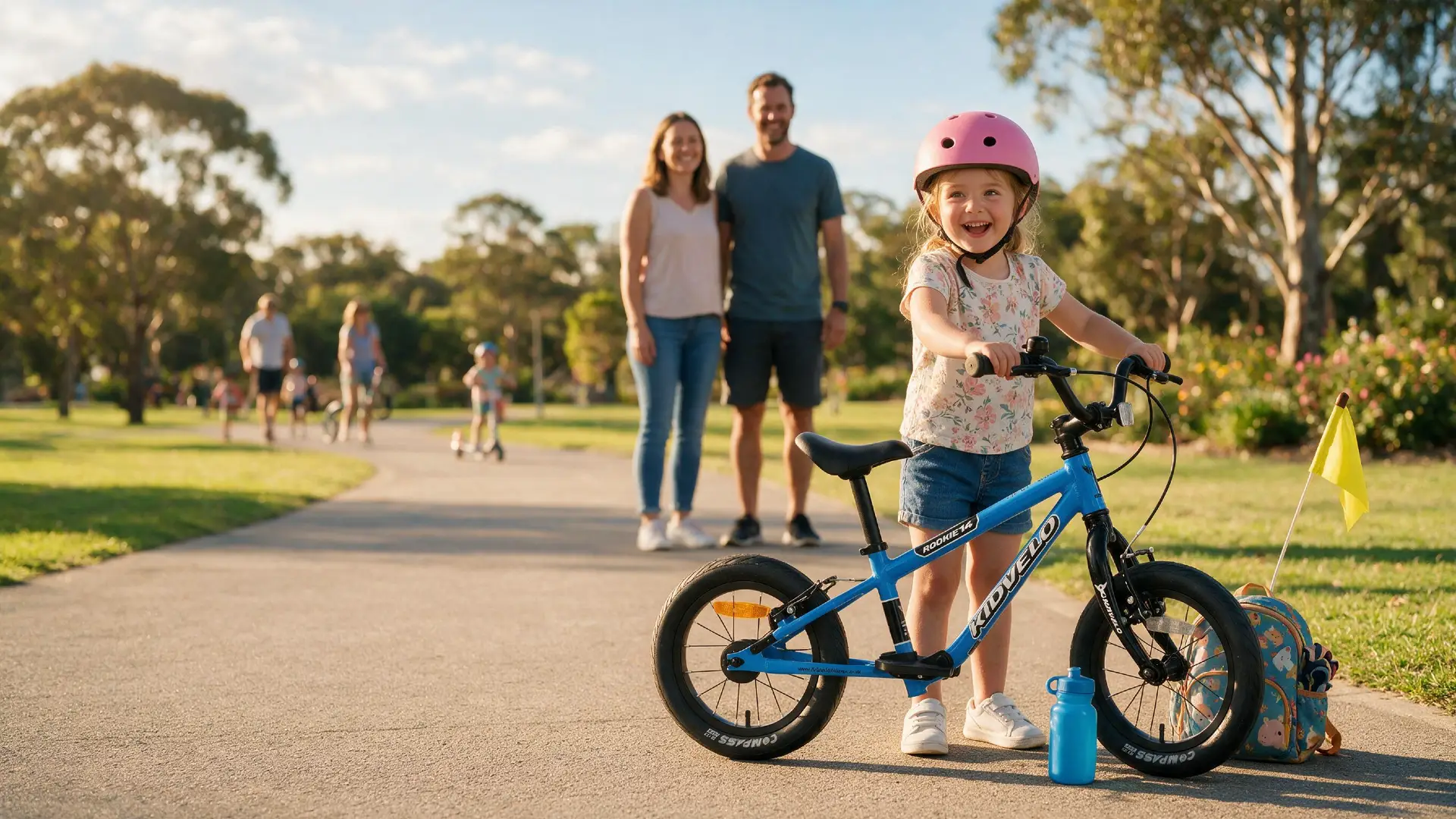
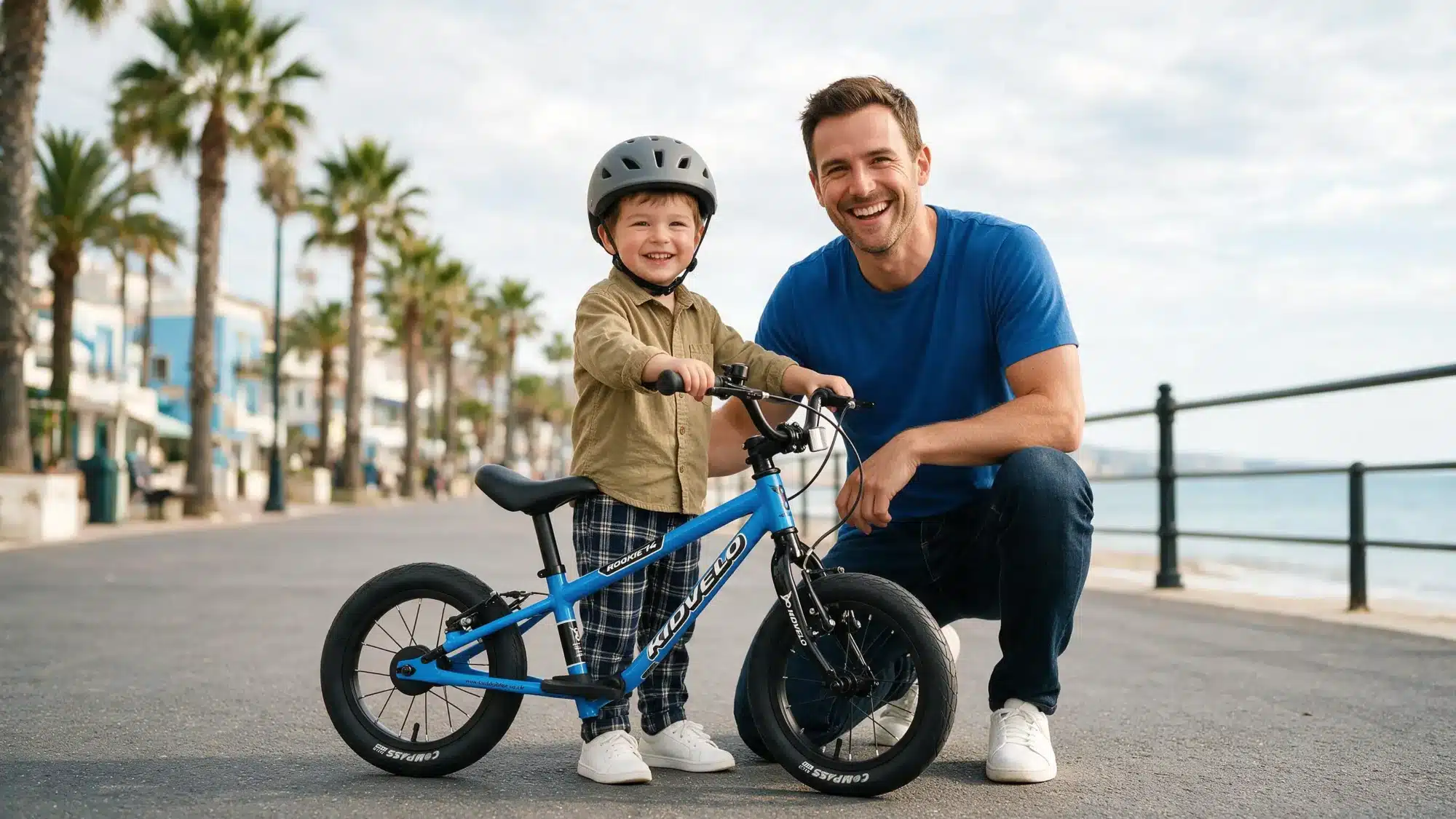
Rookie 14 | 14 inch | 3–6 yrs | 40–58 cm | Balance → Pedal | View → |
Rookie 18 | 18 inch | 5–8 yrs | 48–68 cm | Balance → Pedal | View → |
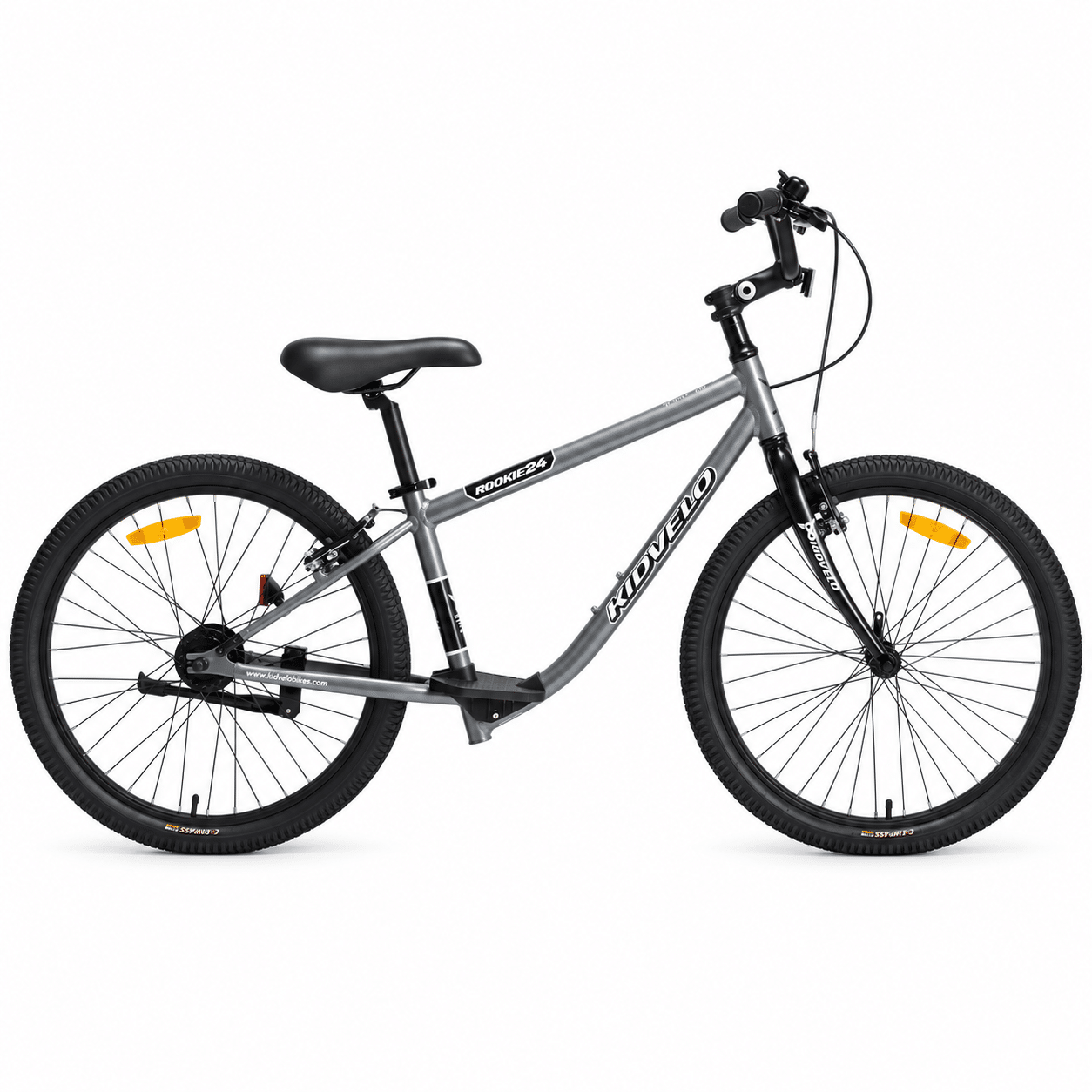
Rookie 24 | 24 inch | 9 yrs–Teenagers | 62–84 cm | Balance → Pedal | View → |
Rookie 14
Balance → PedalRookie 18
Balance → PedalRookie 24
Balance → PedalIf your child falls between two sizes, don't automatically choose the bigger bike. A smaller, more manageable bike will usually give a first-time or cautious rider greater control and confidence.
Three Simple Steps
Choosing the Right Kids Bike Doesn't Need to Be Complicated
Forget guessing based on age alone. Our three-step approach helps you choose a bike your child can control now, while still providing room to develop their skills.
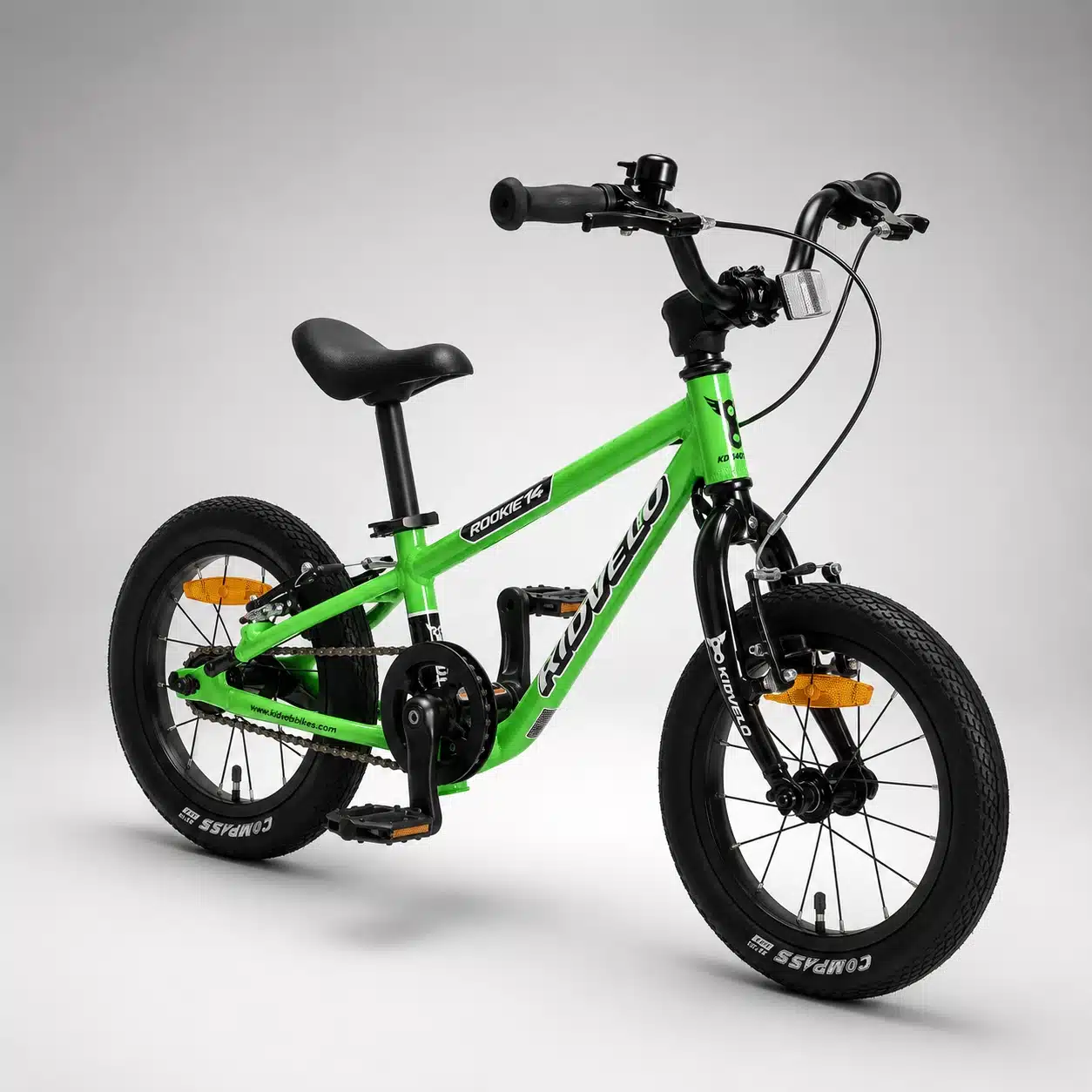
Measure Their Inseam
This tells us whether they can comfortably reach the ground and control the bike.
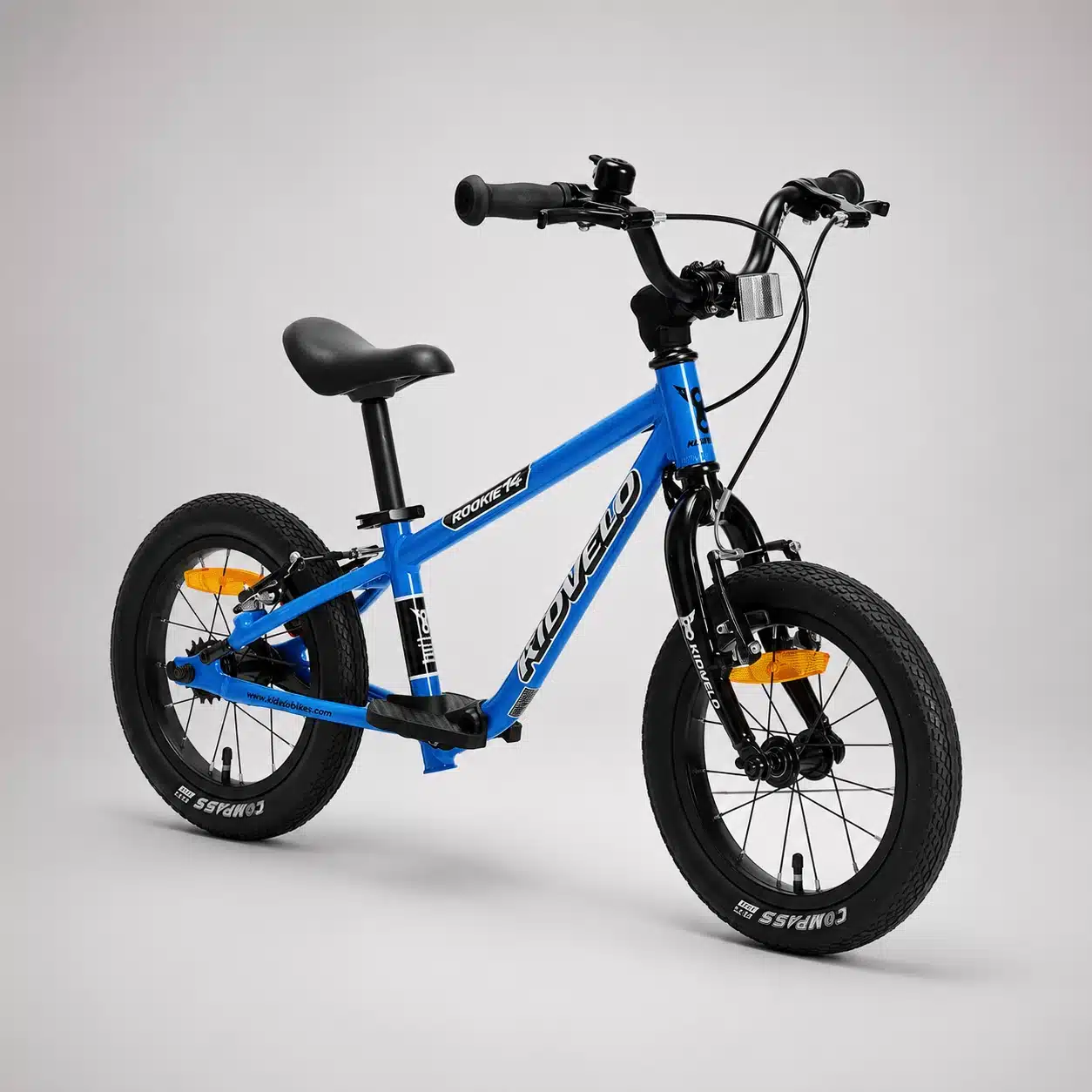
Consider Their Riding Stage
A cautious first-time rider may benefit from a different fit than a confident child with the same leg length.
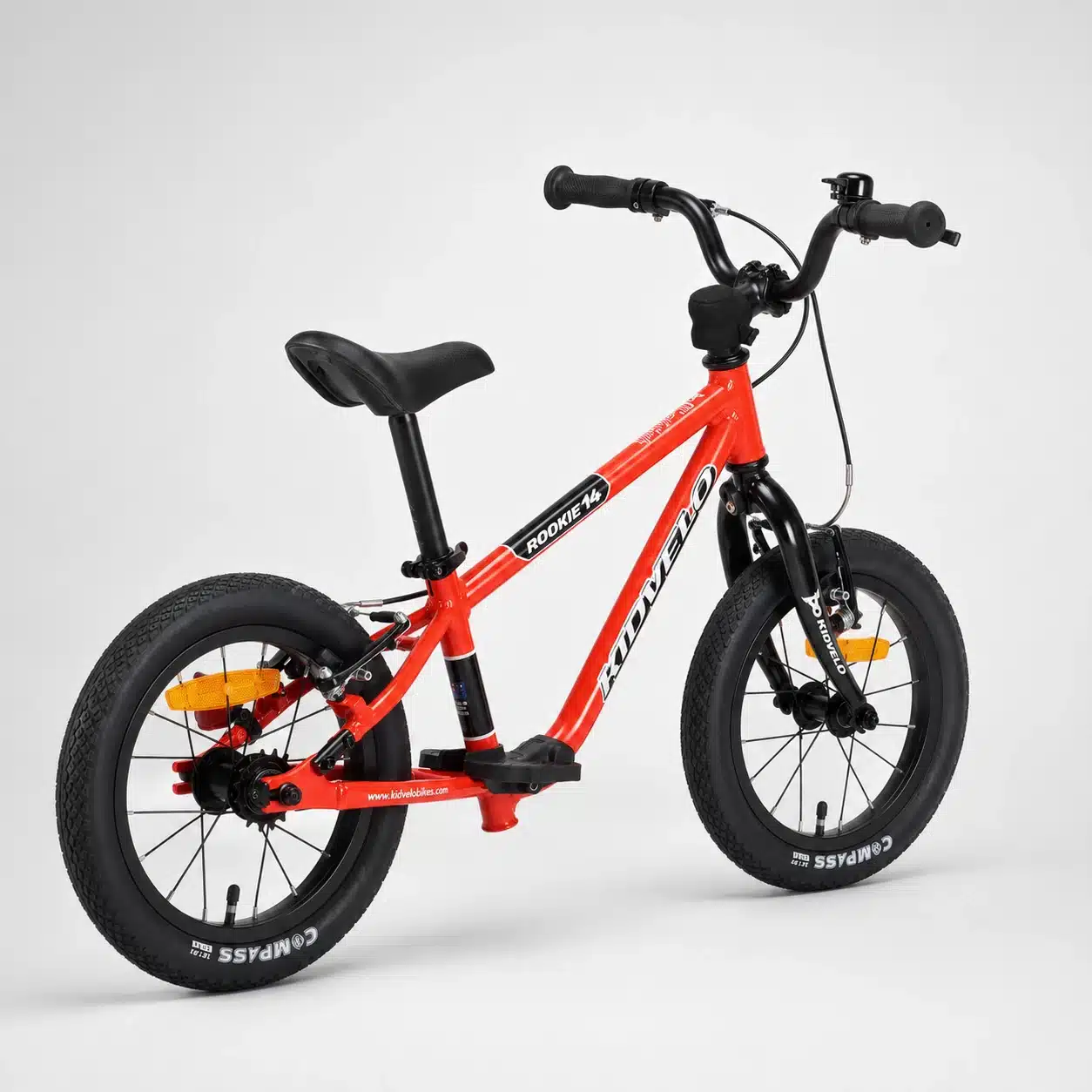
Choose Their Kidvelo
Match their inseam and riding experience to the Rookie designed for their next stage of learning.
Takes About 60 Seconds
How to Measure Your Child's Leg Inseam
Measure while they are wearing the shoes they normally ride in.
Stand Straight
Have your child stand with their back against a wall and feet comfortably apart.
Position the Book
Place the book firmly between their legs and gently raise it to where a bicycle saddle would sit.
Measure
Measure from the floor to the top edge of the book. Measure twice for accuracy.
Age Gets You Close. Inseam Gets You Closer.
Why We Don't Size Kids Bikes By Age Alone
Two children can be the same age and have very different leg lengths, proportions and riding confidence.

Age
Useful for narrowing the general wheel-size range.

Height
Helpful context, but children of the same height can still have different leg lengths.
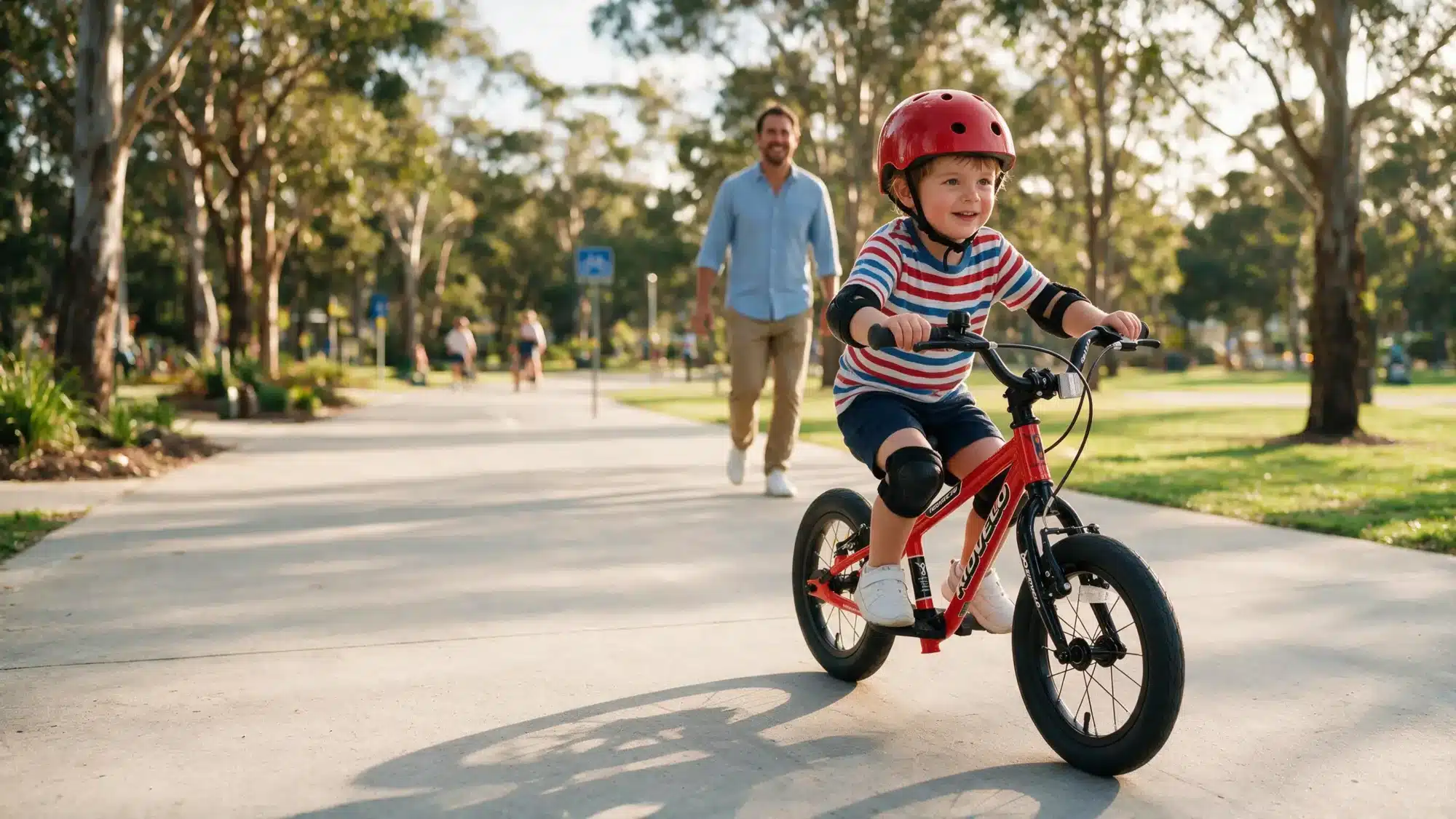
Leg Inseam
Shows whether they can comfortably reach the ground and control the bike.

Riding Confidence
Helps decide between overlapping sizes without recommending outside the correct fit range.
Need a Quick Answer?
Find Their Kidvelo In Less Than A Minute
Enter their exact inseam, then tell us where they are in their riding journey. The finder only considers bikes within Kidvelo's stated inseam range.
No age guesswork requiredDesigned Around How Children Learn
Balance First. Pedal When Ready.
Traditional learning can ask children to manage pedalling, steering, braking and balancing at the same time. Kidvelo lets them build the most important skill first.

Balance
Feet stay close to the ground while they learn how the bike moves.

Glide
Confidence grows as they lift their feet and glide further.

CONTROL
Control
Steering, braking and handling gradually become natural.

PEDAL
Pedal
On convertible Rookie models, add pedals after balance is established.
They Don't Have to Learn to Ride Twice.
Rookie 14, Rookie 18 and Rookie 24 can begin without pedals and transition to a first pedal bike on the same familiar platform.
Four Sizes. One Purpose.
Which Kidvelo Is Right For Your Child?
Each product panel below stays updated directly with your WooCommerce store details.
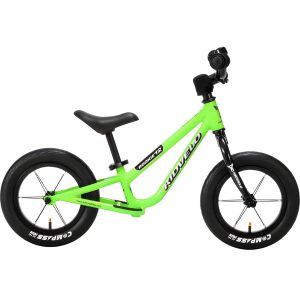
Rookie 12
Their First Step Into Riding
A lightweight dedicated balance bike for toddlers and young children beginning to walk, scoot, balance and glide.
- First-time riders
- Balance → Glide → Control
- Low, confidence-friendly fit
- Dedicated balance bike
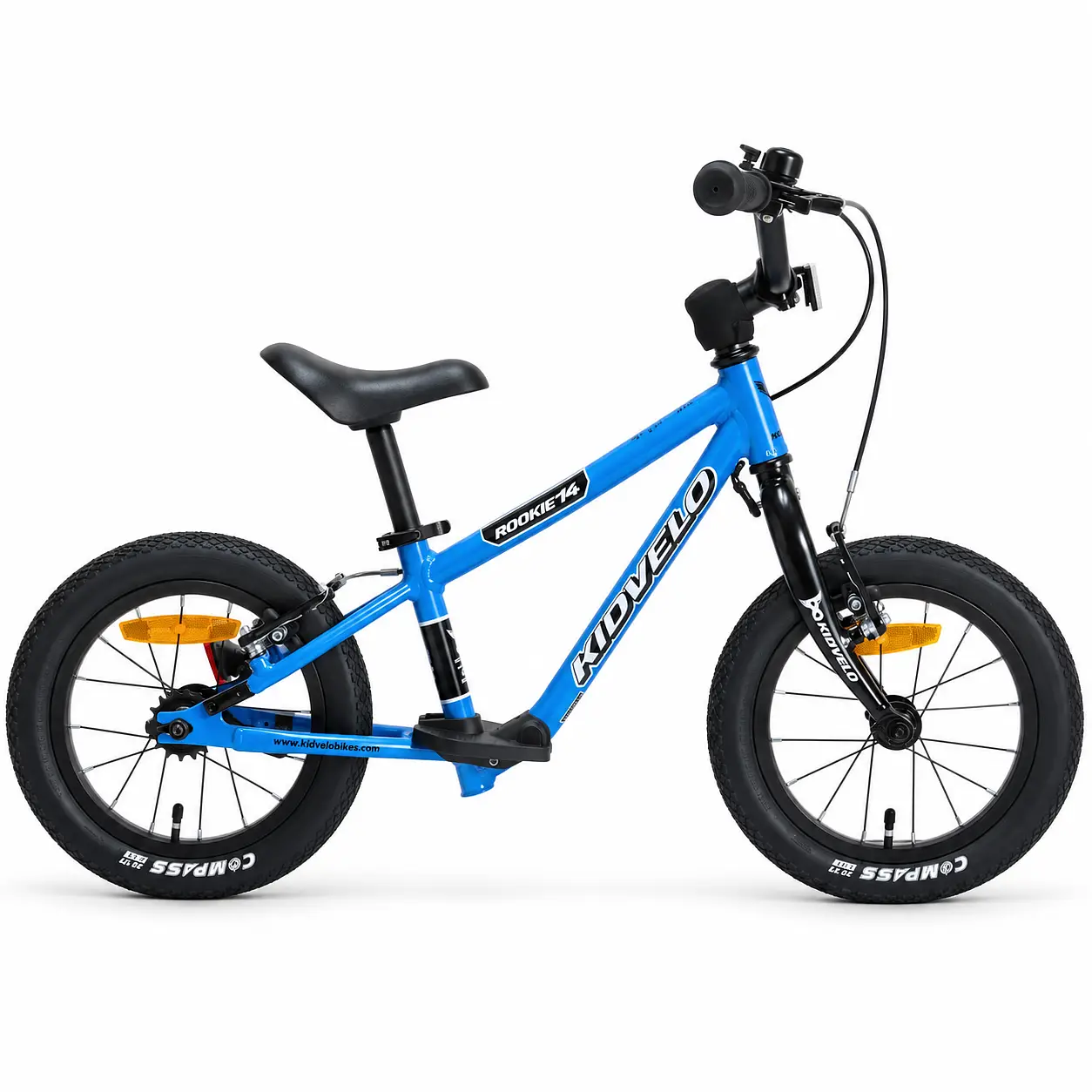
Rookie 14
One Bike From Balance To Pedals
Start without pedals to develop balance and control, then install the pedal system when they're confidently gliding.
- Young first-time riders
- Balance → Pedal
- Avoid training-wheel dependency
- Convertible learning platform
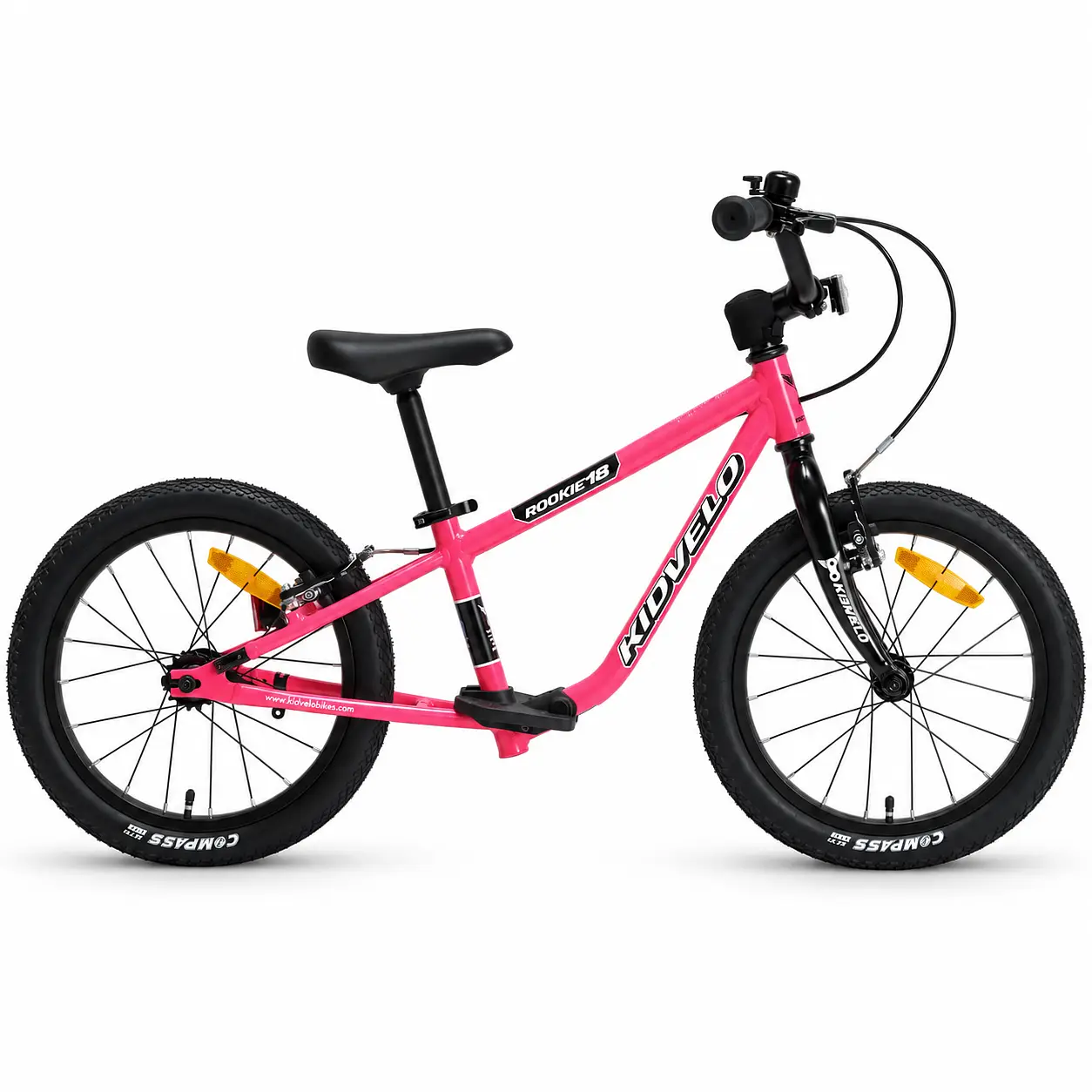
Rookie 18
It's Never Too Late To Learn
Gives taller and older beginners the chance to learn balance first rather than starting on an intimidating traditional pedal bike.
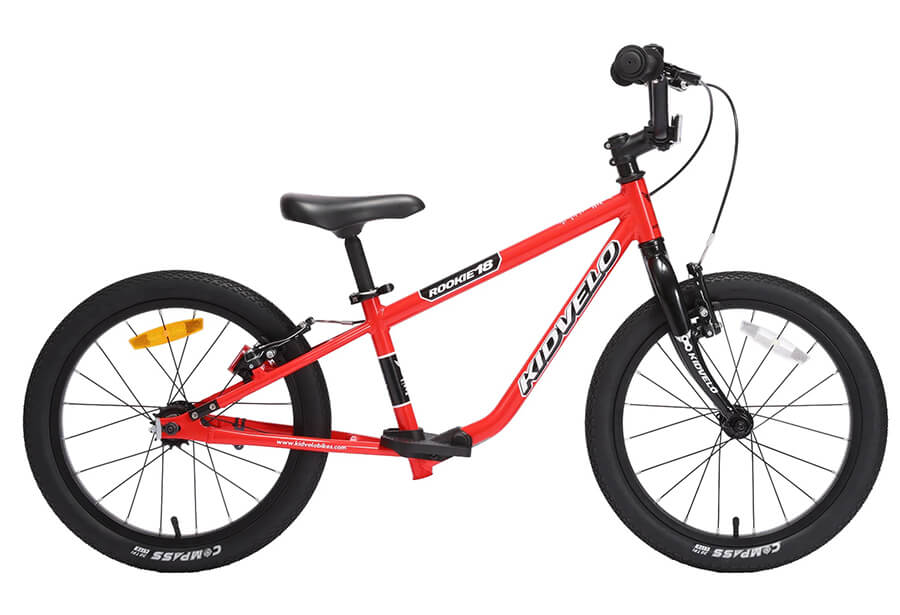
- Older first-time riders
- Balance → Pedal
- Great for later learners
- Convertible learning platform
Rookie 24
Confidence Has No Age Limit
Extends balance-first learning to older children and teenagers, then converts to pedal mode when balance and control are established.
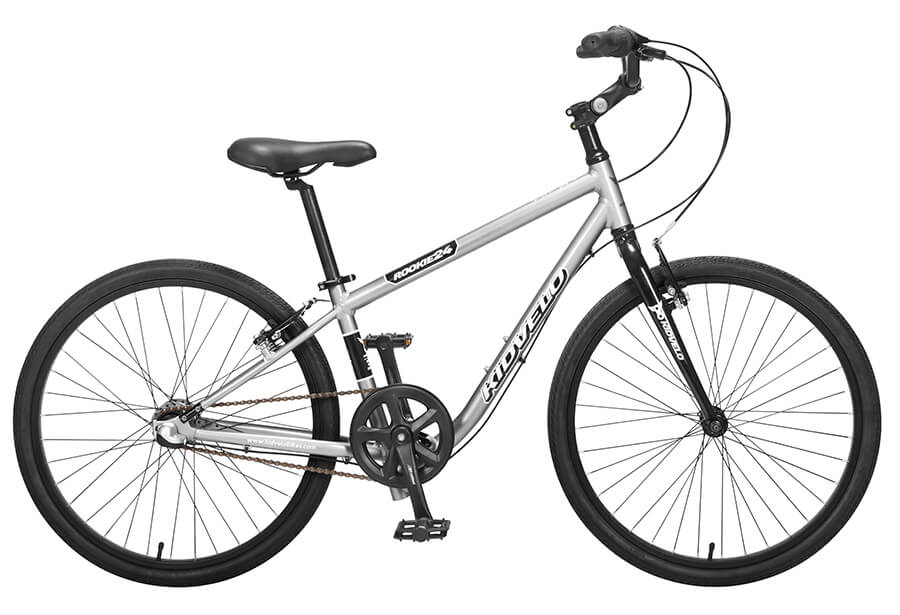
- Older & teenage beginners
- Balance → Pedal
- 2-speed automatic hub
- Convertible learning platform
This Is Where Riding Experience Matters
What If My Child Fits Two Kidvelo Sizes?
Overlap is intentional because children grow and learn at different rates. The best choice depends on more than centimetres.

Usually Choose The Smaller Size If They:
Are learning to ride for the first time.
Are cautious or nervous.
Need maximum confidence reaching the ground.
Are near the lower end of the larger bike's range.
Have previously struggled with a bigger pedal bike.

Consider The Larger Size If They:
Already ride independently.
Balance and brake confidently.
Can comfortably handle the larger bike.
Are approaching the upper end of the smaller bike's range.
Don't size up just because they'll “grow into it”. A bike that is too large can make starting, stopping, steering and recovering balance more difficult. Prioritise the bike they can control today.
Still unsure?
Send us their age, leg inseam and current riding ability and we'll help point you towards the most suitable Rookie.
It's Never Too Late
Learning to Ride at 6, 8, 10 or 12+?
Every child develops differently. Kidvelo extends balance-first learning beyond the toddler years so older beginners can develop the same fundamental skill before adding pedals.

Rookie 18
48–68 cm inseam · approx. 5–8 years
Rookie 24
62–84 cm inseam · approx. 9 years–teenagers
Build The Skill They Actually Need
Balance First — Instead of Depending on Training Wheels
Training wheels can support a bicycle upright, but a child still needs to learn two-wheel balance when that support is removed. Kidvelo starts with balance from the beginning.
Use their feet for stability and propulsion.
Progress from walking and scooting to longer glides.
Develop steering and braking while balance becomes familiar.
Introduce pedals on convertible Rookie models when ready.
Crafted For Confidence
The Right Size Is Only Part of the Story
A kids bike can technically be the correct wheel size and still feel difficult to ride. Kidvelo is designed around children's proportions, strength and developing coordination.

Lightweight Aluminium Frame
Easier for a child to manoeuvre, steer and recover.
Low Standover Design
Makes mounting, stopping and standing over the bike feel less intimidating.
Child-Sized Grips
A more comfortable hold for smaller hands.
Short-Reach Brake Levers
Helps children develop independent braking control.
Kid-Specific Geometry
Stable, predictable handling designed around developing riders.
Narrow Pedalling Position
Supports a more natural pedalling position on convertible models.
Appropriately Sized Cranks
Helps smaller legs pedal more comfortably.
Air-Filled Tyres
Grip, comfort and a real-bike riding feel.
Integrated Footrests
A natural place for feet as glides become longer.
A Smarter Path To Pedals
Start Without Pedals. Add Them When They're Ready.
Convertible Rookie models let a child master balance first, then add pedalling without switching to a completely unfamiliar bike.

Balance Bike
Learn to balance, steer, glide and brake with feet available for stability.
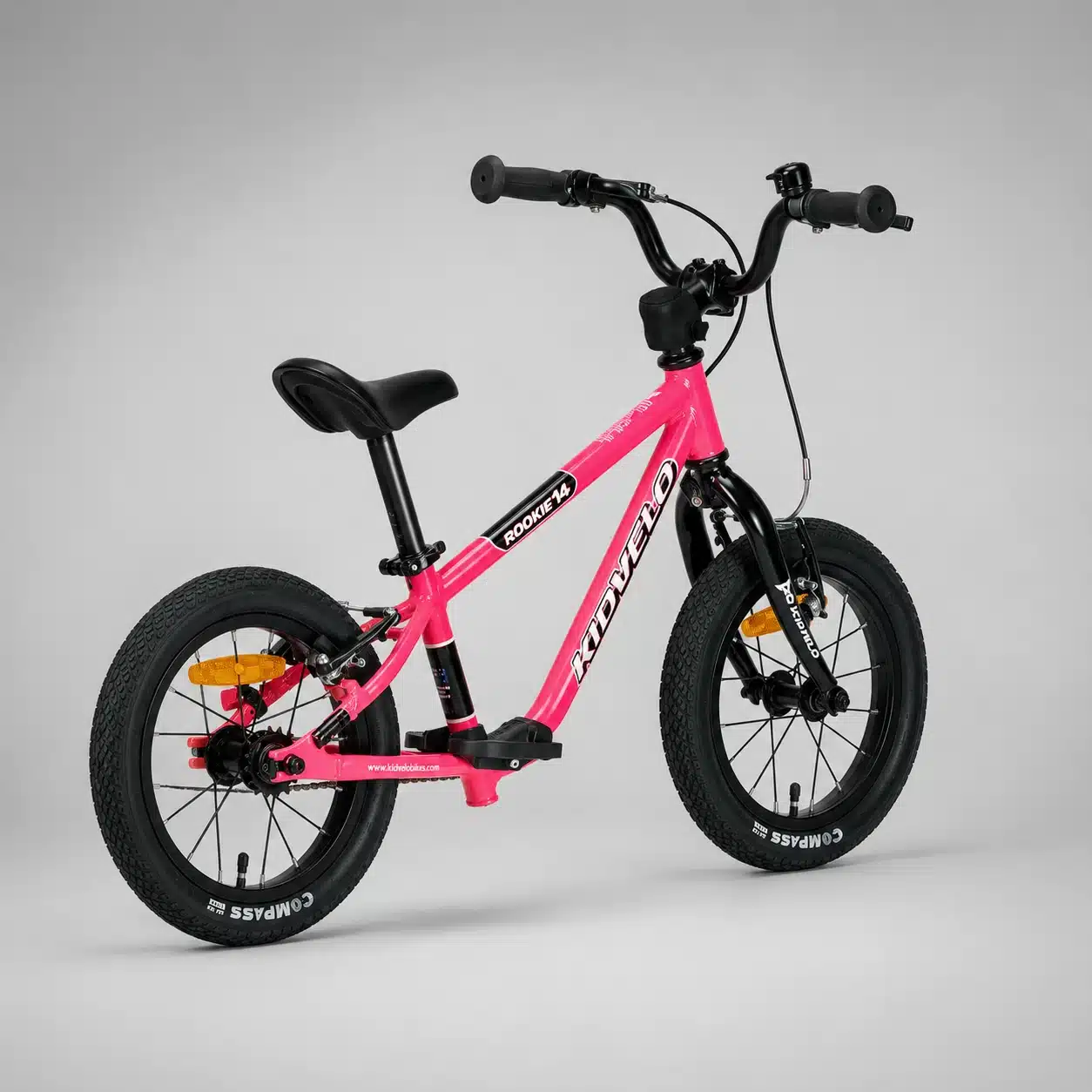
First Pedal Bike
Install the included Easy-Ride Pedal Kit when balance and control are ready.
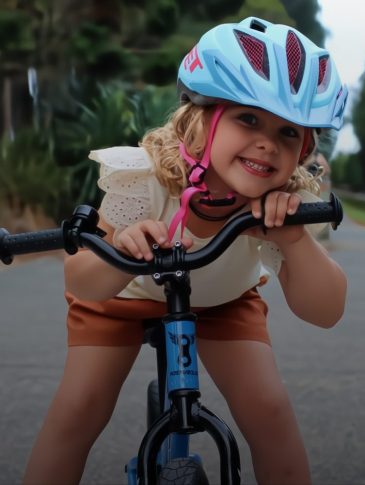
A Simple Pre-Ride Check
What Should a Correctly Sized Kids Bike Look Like?
For a child learning in balance-bike mode:
They can comfortably reach the ground.
They can stabilise the bike themselves.
Their arms have a relaxed bend instead of being fully stretched.
Steering and turning feel manageable.
They can comfortably operate the brakes.
The riding position feels natural, not cramped or overextended.
Real Riders. Real Confidence.
From “I Can't” To “Look At Me!”
Use verified Kidvelo customer stories that demonstrate the learning transformation—not generic shipping or product comments. Each review includes a square 1:1 customer/rider portrait positioned on the left.
Replace With Verified Customer Story
Do not publish fabricated review copy or stock-photo testimonials. Replace these placeholders only with verified customer stories and approved customer/rider portraits.
Parents Ask Us
Kids Bike Sizing FAQs
Quick answers to the most common questions about sizing and progressing from balance to pedals.
What size bike does my child need?+
Start with their leg inseam rather than age alone. Match the measurement to the Kidvelo sizing ranges, then consider riding experience. A cautious first-time rider may be better suited to the smaller of two overlapping sizes.
Is age or height better for choosing a kids bike?+
Both are useful guides, but neither accounts perfectly for individual body proportions. Leg inseam is the best starting point because it helps determine how comfortably a child can reach the ground.
What is the best way to measure my child's inseam?+
Have your child stand against a wall wearing their normal riding shoes. Place a book firmly between their legs at saddle height and measure from the floor to the top edge of the book.
Should my child's feet touch the ground?+
For children learning in balance-bike mode, comfortable ground contact is important because their feet provide propulsion, stability and confidence. Saddle position can be adjusted as skills progress.
Should I buy a bigger kids bike so they can grow into it?+
We generally do not recommend deliberately oversizing a bike for a beginner. A bike that is too large can be harder to start, stop, steer and balance. Prioritise confidence and control.
What if my child fits both the Rookie 12 and Rookie 14?+
Consider riding experience. A first-time or cautious rider may benefit from the smaller Rookie 12. A confident rider approaching the top of the Rookie 12 range may be ready for Rookie 14.
What if my child fits both the Rookie 14 and Rookie 18?+
If they are still learning to balance or are cautious, Rookie 14 may offer more confidence. A taller, confident rider approaching the upper end of the Rookie 14 range may suit Rookie 18.
What if my child fits both the Rookie 18 and Rookie 24?+
Riding experience matters strongly in this crossover. A beginner who needs easy ground contact may benefit from Rookie 18 where appropriate; a taller confident rider nearing its maximum range may suit Rookie 24.
What size Kidvelo is suitable for a 2-year-old?+
Many two-year-olds fall within the Rookie 12 range, but always confirm inseam. Rookie 12 is designed around a 30–48 cm inseam range.
What size Kidvelo is suitable for a 3-year-old?+
Some three-year-olds can fit either Rookie 12 or Rookie 14. Measure inseam and use riding confidence to decide within the overlapping 40–48 cm area.
What size bike is suitable for a 5-year-old?+
Many five-year-olds fit Rookie 14, while taller riders may fit Rookie 18. Measure inseam and consider riding experience before choosing.
What size bike is suitable for a 6-year-old?+
Depending on inseam and ability, a six-year-old may fit Rookie 14 or Rookie 18. Rookie 18 is especially useful for taller or older children still learning balance.
Can an 8-year-old use a balance bike?+
Yes. Rookie 18 extends balance-first learning to older children, and Rookie 24 continues the same idea for taller riders within its stated inseam range.
Can a 10-year-old learn on a balance bike?+
Yes. Rookie 24 allows older children within its 62–84 cm inseam range to develop balance before adding pedals.
Are Kidvelo bikes suitable for children learning later?+
Yes. Rookie 18 and Rookie 24 are designed to make balance-first learning available beyond the toddler years.
Do Kidvelo bikes need training wheels?+
Kidvelo is designed around developing two-wheel balance first rather than relying on training wheels.
Which Kidvelo bikes convert to pedal bikes?+
Rookie 14, Rookie 18 and Rookie 24 convert from balance-bike mode to pedal-bike mode. Rookie 12 is a dedicated balance bike.
Do I need to purchase the pedal kit separately?+
The Easy-Ride Pedal Kit is included with convertible Rookie 14, Rookie 18 and Rookie 24 models.
When should I add the pedals?+
A useful sign is when the rider can confidently glide with both feet up, steer accurately, brake independently and maintain balance over longer distances. There is no need to rush the transition.
My child has additional needs. Can you help with sizing?+
Yes. Contact the Kidvelo team with their inseam, age, height and current riding ability so the recommendation can account for their individual needs.
Ready To Start Their Riding Journey?
The Right Bike Can Change How Learning Feels
Choose a Kidvelo that fits your child today, lets them develop balance at their own pace, and gives them a clear path toward independent pedalling when they're ready.
Kidvelo — The Premium Learn-to-Ride Bike
Common Questions Parents Ask
Here are FAQs parents/grandparents often want answered:
1. Can I buy a bike one size up so it lasts longer?
Possibly — but only if the child can still touch the ground safely and the bike is adjustable. Safety is more important than longevity.
2. Are balance bikes included in this chart?
Yes — typically the 12-inch and sometimes 14-inch sizes include balance bikes (no pedals) or conversion models.
3. How much weight should the bike carry?
The bike itself should be lightweight; child should be able to lift it. Expect the bike to weigh about 30-35% of the child’s weight or less.
4. What if the bike has training wheels?
Training wheels change the dynamics — size still matters for saddle height, reach, etc. Best to remove training wheels as soon as the child is ready to balance.
5. Is there a difference between tyre types (EVA, foam, pneumatic)?
Yes. Pneumatic tyres are better for comfort and grip; foam/EVA are low maintenance and lighter. Choose what matches where you’ll ride most.
6. When should they move up to a bigger bike?
When they can glide or balance for several seconds, when knees bump handlebars, when feet can’t reach the ground — these are signs it’s time.
Kids Cycling
Discover everything your child needs to ride with confidence — from balance bikes and first pedal bikes to helmets, gloves, and cycling accessories. Our range is designed to keep kids safe, comfortable, and excited to get outside and ride.
- Rated 5.00 out of 5 based on 12 customer ratings(12)$229.00This product has multiple variants. The options may be chosen on the product page
- Rated 5.00 out of 5 based on 12 customer ratings(12)$509.00This product has multiple variants. The options may be chosen on the product page
- Rated 5.00 out of 5 based on 12 customer ratings(12)$529.00This product has multiple variants. The options may be chosen on the product page
- Rated 5.00 out of 5 based on 19 customer ratings(19)$749.00This product has multiple variants. The options may be chosen on the product page